The Unstoppable Rise of Brazilian Football: A Historical Perspective Brazilian football is synonymous with creativity, passion, and excellence. The journey of Brazilian football from its hum.
esportes-br.comBrazil sports news and match analysis.
“The Unstoppable Rise of Brazilian Football: A Historical Perspective”
Updated: April 19, 2026
The Unstoppable Rise of Brazilian Football: A Historical Perspective
Brazilian football is synonymous with creativity, passion, and excellence. The journey of Brazilian football from its humble beginnings to becoming a dominant force on the global stage is a story of talent, resilience, and cultural identity. This article delves into the historical evolution of Brazilian football, examining the key moments, players, and influences that have contributed to its unstoppable rise.
The Early Days: Football Arrives in Brazil
The history of Brazilian football dates back to the late 19th century when the sport was introduced by British expatriates. Charles Miller, a Brazilian of Scottish descent, is often credited with popularizing football in Brazil. After studying in England, Miller returned to Brazil in 1894 with two footballs and a set of rules, sparking interest in the sport.
Initially, football was a pastime for the elite, with clubs forming in urban centers like São Paulo and Rio de Janeiro. These clubs were exclusive, accessible only to the affluent members of society. However, as the sport’s popularity grew, it transcended social barriers, becoming an integral part of Brazilian culture.
The Golden Age: Birth of Brazilian Football Legends
The 1950s marked the beginning of Brazil’s golden age in football. The national team’s success in the 1958 FIFA World Cup in Sweden was a turning point. A young player named Pelé emerged as a global sensation, with Brazil defeating Sweden 5-2 in the final. This victory was not just a sporting achievement but a moment of national pride and unity.
Pelé’s influence on Brazilian football cannot be overstated. His charisma, skill, and sportsmanship inspired a generation of players and fans. Under his leadership, Brazil won three World Cups (1958, 1962, and 1970), cementing the country’s status as a football powerhouse.
Football as a Reflection of Brazilian Society

Football is deeply intertwined with Brazilian society and culture. It reflects the nation’s diversity, struggles, and aspirations. The sport has been a vehicle for social change, challenging racial and economic inequalities. Black players like Pelé and Garrincha were celebrated as national heroes, breaking down racial barriers in a country with a complex history of race relations.
The iconic Maracanã Stadium, built for the 1950 World Cup, symbolizes Brazil’s love for football. It has witnessed countless historic moments, including Pelé’s 1000th goal. The stadium is more than just a sports venue; it is a cultural landmark that embodies the spirit of Brazilian football.
The Evolution of Brazilian Football Style
Brazilian football is renowned for its distinctive style characterized by flair, creativity, and technical skill. Known as “samba football,” this style emphasizes dribbling, agility, and attacking play. The influence of samba music and dance is evident in the way Brazilian players move on the pitch, making football an art form.
Coaches like Telê Santana and players such as Zico, Sócrates, and Romário further developed this style in the 1980s and 1990s. Despite facing challenges on the international stage, Brazil remained committed to its unique approach, prioritizing entertainment and joy in football.
Challenges and Triumphs: The Modern Era
The 21st century has brought new challenges for Brazilian football. The national team’s performance in the 2014 FIFA World Cup, hosted in Brazil, was a disappointment, with a shocking 7-1 defeat to Germany in the semi-finals. This loss prompted introspection and calls for reform within Brazilian football institutions.
Despite setbacks, Brazil has continued to produce world-class talent. Players like Neymar, Alisson Becker, and Thiago Silva have made significant impacts on both domestic and international stages. Brazilian clubs have also excelled in continental competitions, highlighting the depth of talent in the country.

The Global Influence of Brazilian Football
Brazilian football’s influence extends beyond the national team. Players from Brazil are highly sought after by top clubs worldwide, bringing their unique style and flair to leagues in Europe, Asia, and North America. The Brazilian model of nurturing young talent through academies has been adopted globally, shaping the future of football development.
Moreover, Brazil’s footballing philosophy has inspired countless coaches and teams. The emphasis on skill, creativity, and attacking play has left a lasting legacy, influencing the tactical approaches of clubs and national teams around the world.
The Role of Brazilian Football in the Economy and Politics
Football plays a significant role in Brazil’s economy and politics. The sport generates substantial revenue through sponsorships, broadcasting rights, and merchandise sales. Major events like the FIFA World Cup and Copa América attract millions of tourists, boosting the hospitality and tourism industries.
Politically, football has been used as a tool for national unity and pride. Historical victories have been leveraged by political leaders to foster patriotism and distract from social and economic issues. However, the sport has also been a platform for social activism, with players and fans advocating for political and social change.
The Future of Brazilian Football
The future of Brazilian football looks promising, with a new generation of talented players emerging on the scene. The focus on youth development and investment in infrastructure is expected to yield positive results. Brazil’s passion for football remains unwavering, ensuring its continued influence on the global stage.
As Brazil prepares to host future international tournaments and its clubs compete in global competitions, the nation remains committed to preserving its rich footballing heritage. The rise of Brazilian football is a testament to the country’s resilience, creativity, and love for the beautiful game.

Conclusion: The Legacy of Brazilian Football
The rise of Brazilian football is a remarkable journey that transcends sport. It is a story of cultural identity, social change, and national pride. From the streets of Rio de Janeiro to the grand stages of the Maracanã, Brazilian football has captured the hearts of millions worldwide.
The legacy of Brazilian football lies in its ability to inspire and unite people across generations. As the nation continues to produce exceptional talent and embrace its unique style, the world will undoubtedly witness more unforgettable moments from the land of “samba football.”
For more insights into the history of Brazilian football, explore resources from the FIFA and the BBC Sport. To understand the cultural impact of Brazilian football, the National Geographic provides fascinating articles and documentaries. For a comprehensive overview of Brazilian football tactics, visit UEFA.
Grassroots Development and Youth Academies
One of the cornerstones of Brazilian football’s success has been its robust grassroots development system. Football is a ubiquitous part of life in Brazil, with children from all walks of life playing the sport in streets, beaches, and fields. This informal setting serves as a natural training ground for young talent, fostering creativity and skill from an early age.
Brazilian clubs have also invested heavily in youth academies, scouting the best talent from across the nation. These academies, like the famous ones at Santos FC and São Paulo FC, provide structured training and education, preparing young players for professional careers. Many of Brazil’s greatest players, including Neymar and Kaká, emerged from these academies, underscoring their importance in the development pipeline.
Women’s Football in Brazil
While men’s football has traditionally dominated the spotlight, women’s football in Brazil has been making significant strides. The Brazilian women’s national team, led by legendary players like Marta, has achieved considerable success on the international stage. Marta, a six-time FIFA World Player of the Year, has become an icon of the sport, inspiring young girls across the country.
Despite facing challenges such as limited funding and support compared to their male counterparts, women’s football is growing in popularity. Efforts to promote gender equality in sports have led to increased investment in women’s leagues and competitions. The success of the women’s national team has also highlighted the potential for Brazil to become a powerhouse in women’s football.
Technological Innovations and Analytics in Brazilian Football
In recent years, Brazilian football has embraced technological innovations and data analytics to enhance performance. Clubs and national teams are increasingly using video analysis, GPS tracking, and performance metrics to gain insights into player fitness, tactics, and strategy. This data-driven approach helps coaches make informed decisions and optimize training regimes.
The adoption of technology extends to fan engagement as well. Social media platforms and digital content have allowed Brazilian clubs to connect with their global fanbase, offering behind-the-scenes access and interactive experiences. The integration of technology in Brazilian football not only improves performance but also enriches the fan experience.
Brazilian Football and Cultural Exports

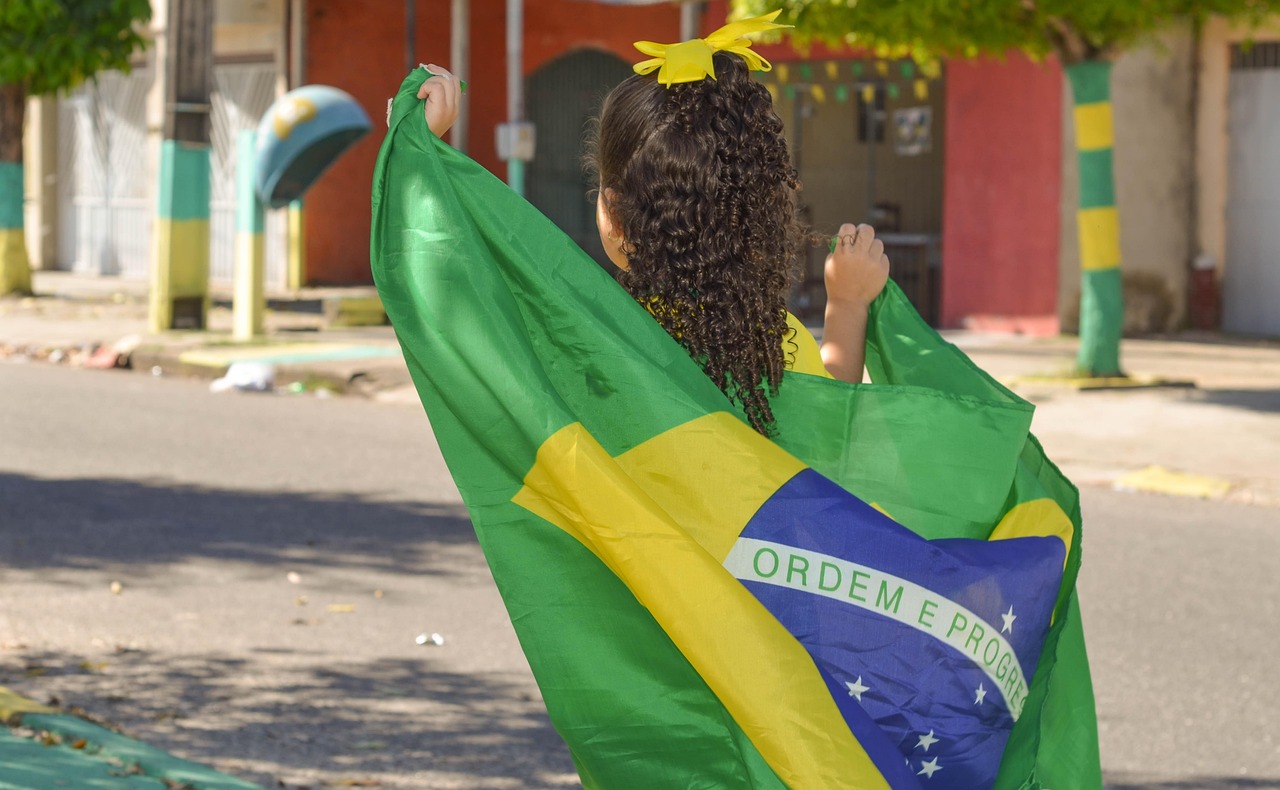
Beyond the sport itself, Brazilian football has become a cultural export, influencing fashion, music, and art worldwide. The iconic yellow and green jerseys of the national team are recognized globally, symbolizing the vibrant spirit of Brazil. Football-related music genres, such as samba and bossa nova, have gained international popularity, further entwining Brazilian culture with the sport.
Documentaries, films, and literature about Brazilian football have captivated audiences, providing a glimpse into the lives of legendary players and the cultural significance of the sport. These cultural exports have helped promote Brazil’s image as a land of football, passion, and creativity.
Sustainability and Social Responsibility in Brazilian Football
As football continues to play a vital role in Brazilian society, there is a growing emphasis on sustainability and social responsibility. Clubs and organizations are implementing initiatives to promote environmental sustainability, such as reducing carbon footprints and using renewable energy sources in stadiums.
Social responsibility programs are also gaining traction, with clubs engaging in community outreach and development projects. These initiatives aim to use football as a tool for positive social change, addressing issues such as poverty, education, and health. By focusing on sustainability and social responsibility, Brazilian football is not only shaping the future of the sport but also contributing to the betterment of society.
The Enduring Passion for Football in Brazil
The passion for football in Brazil is unparalleled. It is a source of joy, identity, and unity for millions of Brazilians. From the bustling streets of São Paulo to the remote villages of the Amazon, the love for the game transcends geographic and cultural boundaries. This enduring passion fuels the nation’s footballing success and ensures that Brazil remains at the heart of the global football community.
As we look to the future, the legacy of Brazilian football will continue to inspire and excite fans worldwide. The combination of rich tradition, innovative thinking, and unwavering passion makes Brazilian football a formidable force, poised to achieve even greater heights on the world stage.