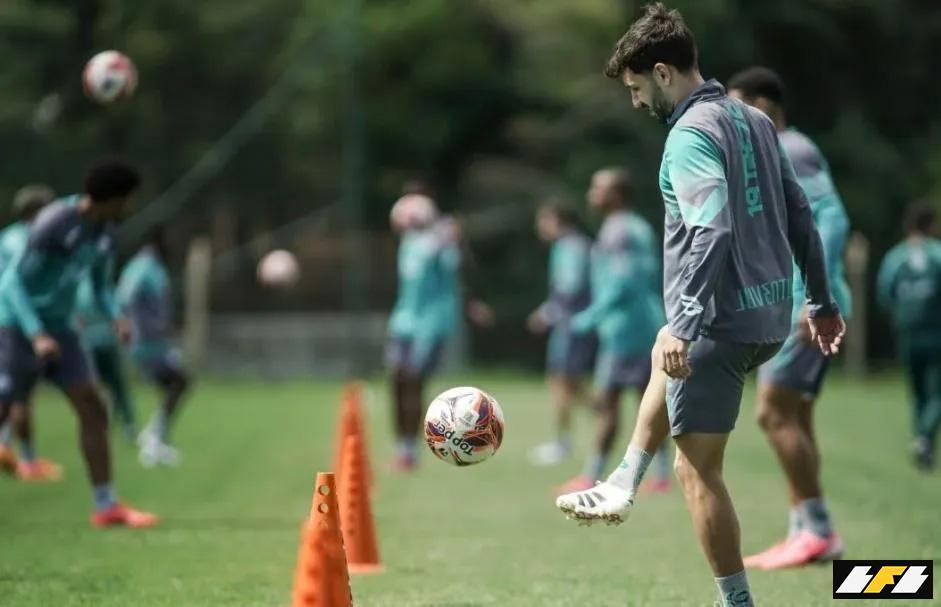
Inside the Seleção: The Culture and Philosophy of the Brazilian National Football Team Brazilian football, known globally for its flair, creativity, and passion, has left an indelible mark o.
esportes-br.comBrazil sports news and match analysis.
“Inside the Seleção: The Culture and Philosophy of the Brazilian National Football Team”
Updated: March 16, 2026
Inside the Seleção: The Culture and Philosophy of the Brazilian National Football Team
Brazilian football, known globally for its flair, creativity, and passion, has left an indelible mark on the world of sports. At the heart of this phenomenon lies the Brazilian national football team, affectionately called the “Seleção.” With a storied history and a unique philosophy, the Seleção represents not only a national pastime but also a cultural institution that reflects the spirit and identity of Brazil. In this blog post, we delve into the culture and philosophy of the Brazilian national football team, exploring its history, playing style, and the elements that make it a symbol of national pride.
The History and Legacy of the Seleção
The history of the Brazilian national football team is rich and illustrious, marked by numerous achievements on the world stage. Brazil has won the FIFA World Cup a record five times, with victories in 1958, 1962, 1970, 1994, and 2002. This unparalleled success has established Brazil as a powerhouse in international football and has cemented its place in the annals of the sport’s history.
The roots of Brazilian football go back to the early 20th century when Charles Miller, a Brazilian of British descent, introduced the sport to his homeland. Over the decades, Brazil developed a unique playing style characterized by skillful dribbling, creative passing, and an emphasis on attack, known as “Jogo Bonito” or the “Beautiful Game.” This style, exemplified by legends like Pelé, Zico, and Romário, has become synonymous with Brazilian football and continues to inspire generations of players.
The Philosophy of Jogo Bonito

The philosophy of Jogo Bonito goes beyond mere technique and tactics; it embodies the joy and freedom associated with playing football. For Brazilians, football is not just a sport but a form of artistic expression. The emphasis on creativity and improvisation allows players to showcase their individuality while contributing to the team’s collective success.
This approach to the game is deeply rooted in Brazilian culture, where music, dance, and art play a significant role in everyday life. The rhythmic dribbles and intricate footwork seen on the pitch mirror the movements of samba, a dance form that is quintessentially Brazilian. The Seleção’s playing style reflects this cultural fusion, captivating audiences worldwide and earning admiration for its elegance and flair.
Cultural Impact and National Identity
Football in Brazil transcends the boundaries of sport, serving as a powerful vehicle for national identity and unity. The Seleção is a source of immense pride for Brazilians, offering a sense of belonging and solidarity. During major tournaments, the country comes to a standstill, with people from all walks of life coming together to support their team.
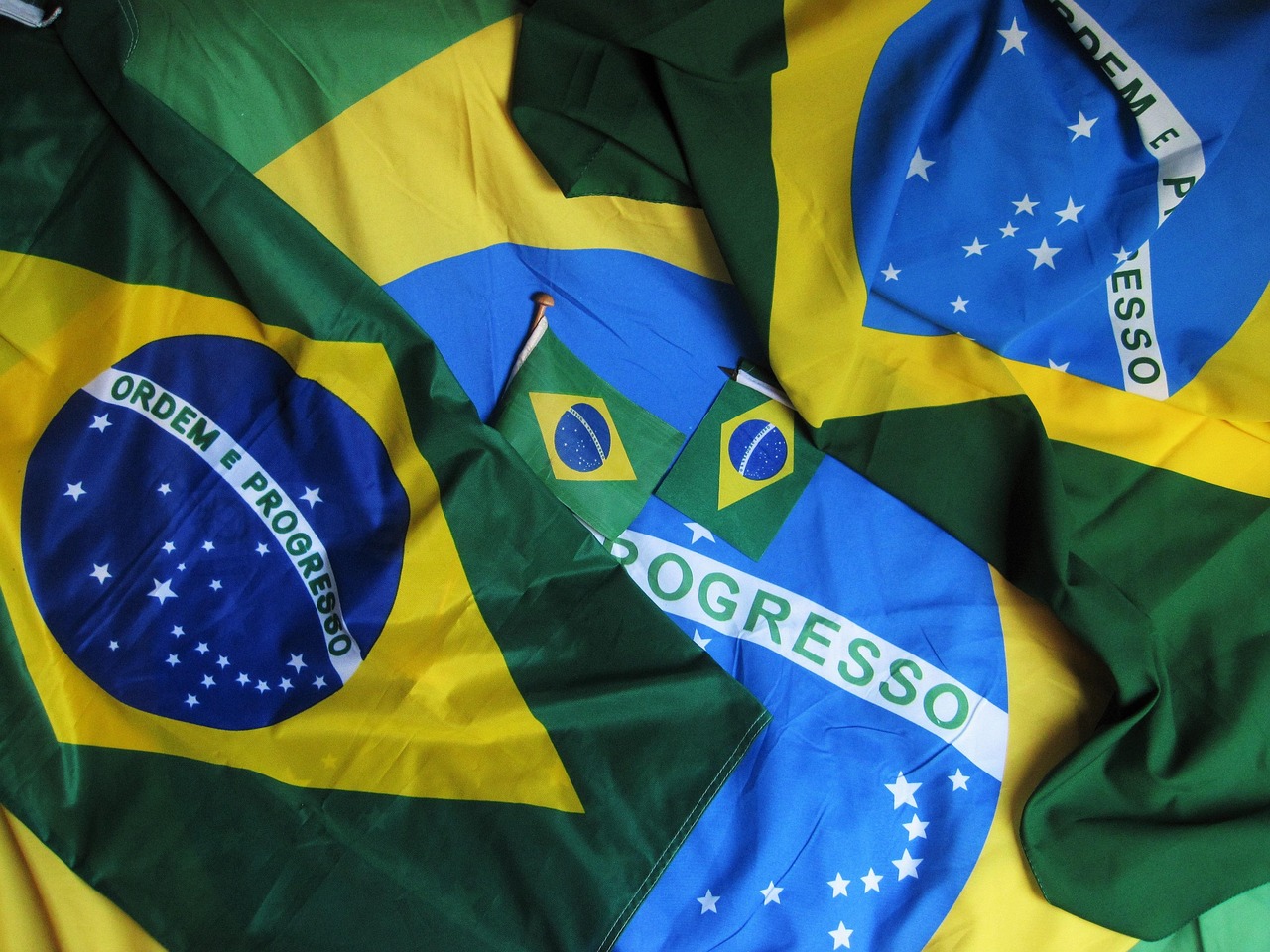
The cultural significance of the Seleção is evident in the vibrant displays of national colors, the ubiquitous presence of football in Brazilian art and music, and the passionate celebrations that accompany victories. The team’s success on the international stage has helped shape Brazil’s global image and fostered a sense of national pride that resonates with millions of fans.
Challenges and Criticisms
Despite its success, the Seleção has faced its share of challenges and criticisms. The pressure to maintain Brazil’s football legacy can be overwhelming, leading to heightened expectations and scrutiny. The team’s performance in recent years has been mixed, with disappointing exits in major tournaments prompting introspection and calls for change.
Critics argue that the commercialization of football has impacted the traditional playing style, with an increased focus on physicality and tactical discipline. The debate between preserving the essence of Jogo Bonito and adapting to modern football demands continues to be a topic of discussion among fans and analysts alike.
Developing the Future: Youth and Grassroots Programs
To sustain its footballing prowess, Brazil places significant emphasis on nurturing young talent through various youth and grassroots programs. The country’s football academies, known as “escolinhas,” play a crucial role in identifying and developing the next generation of stars. These academies provide young players with the opportunity to hone their skills and learn the fundamentals of the game from an early age.
The success of these programs is evident in the emergence of world-class players like Neymar and Vinícius Júnior, who have followed in the footsteps of their illustrious predecessors. By investing in youth development, Brazil aims to maintain its competitive edge and continue producing players who embody the spirit of Jogo Bonito.
The Modern Era and Global Influence
In the modern era, the Seleção’s influence extends beyond the football pitch, impacting various aspects of global culture. Brazilian players have become ambassadors of the sport, with many pursuing successful careers in top European leagues. Their presence in international clubs has helped spread Brazilian football’s values and playing style worldwide.
Moreover, Brazil’s hosting of major events, such as the 2014 FIFA World Cup and the 2016 Summer Olympics, showcased the country’s passion for football and its ability to organize large-scale sporting events. These occasions provided a platform for Brazil to share its rich culture and hospitality with the world, further enhancing its global standing.
Conclusion: The Enduring Legacy of the Seleção

The culture and philosophy of the Brazilian national football team represent more than just a style of play; they embody a way of life that resonates with millions of people. The Seleção’s commitment to creativity, passion, and excellence serves as a source of inspiration for aspiring footballers and fans around the globe.
As Brazil continues to navigate the ever-evolving landscape of international football, the Seleção remains a symbol of national pride and a testament to the enduring power of the Beautiful Game. By embracing its cultural heritage and nurturing future talent, Brazil ensures that its footballing legacy will continue to shine brightly on the world stage for generations to come.
In the words of the legendary Pelé, “Success is no accident. It is hard work, perseverance, learning, studying, sacrifice, and most of all, love of what you are doing or learning to do.” This sentiment encapsulates the essence of the Brazilian national football team—a team that has captured the hearts of fans worldwide and will continue to do so for years to come.
The Role of Football in Social Change
Beyond the pitch, football in Brazil has served as a powerful catalyst for social change. The sport has long provided a platform for addressing societal issues and bridging divides within the country. In a nation marked by economic disparities, football offers opportunities for social mobility, with many players rising from humble beginnings to achieve international success.
Football academies and community programs play a crucial role in engaging youth from underprivileged backgrounds, offering them a chance to develop skills and pursue a potential career in sports. These programs often emphasize education and personal development alongside athletic training, helping to shape well-rounded individuals who can contribute to society both on and off the field.

The Seleção itself has been a symbol of unity in a diverse country. Players from various racial and economic backgrounds come together to represent Brazil on the global stage, reflecting the nation’s multicultural fabric. This diversity has been celebrated as a source of strength, showcasing the inclusive nature of Brazilian football and its ability to bring people together.
Technological Advancements and Football Analytics
In recent years, the world of football has undergone significant changes with the advent of technology and data analytics. The Brazilian national team, like many others, has embraced these advancements to enhance performance and gain competitive advantages. Video analysis, performance tracking, and sports science are now integral components of the team’s preparation and strategy.
Using technology to analyze players’ physical attributes, tactical positioning, and real-time match statistics allows the coaching staff to make informed decisions and tailor training programs. This data-driven approach complements the traditional emphasis on creativity and skill, ensuring that the Seleção remains at the forefront of modern football.
Moreover, the use of technology has extended to fan engagement, with social media and digital platforms offering new ways for supporters to connect with the team. The Brazilian Football Confederation (CBF) actively engages with fans online, providing behind-the-scenes content, live updates, and interactive experiences that strengthen the bond between the team and its passionate fanbase.
Challenges in Preserving Traditional Values
As the game evolves, one of the ongoing challenges for the Seleção is preserving its traditional values while adapting to new demands. The pressure to perform at the highest level often leads to a focus on results, which can sometimes overshadow the creative and expressive style that has defined Brazilian football.

Balancing the desire for success with the commitment to Jogo Bonito requires careful management and a holistic approach to player development. The CBF and coaching staff are tasked with nurturing talent that embodies both the technical prowess and the tactical acumen necessary to thrive in the modern game.
Additionally, the commercialization of football and the influence of global footballing trends pose challenges to maintaining the unique cultural identity of Brazilian football. Ensuring that the values of joy, creativity, and passion remain at the core of the Seleção’s philosophy is vital for preserving its legacy for future generations.
Looking Ahead: The Future of the Seleção
The future of the Brazilian national football team is a subject of great interest and anticipation. With a rich pool of talent and a storied history, the Seleção is well-positioned to continue its tradition of excellence. Emerging stars like Rodrygo, Gabriel Martinelli, and others are poised to carry the torch forward, representing the next chapter in the team’s illustrious journey.
As Brazil prepares for upcoming international tournaments, the focus remains on blending the old with the new, integrating modern techniques while staying true to the values that have defined Brazilian football. This delicate balance will be crucial in ensuring the Seleção’s continued success and its ability to captivate audiences worldwide.
In conclusion, the culture and philosophy of the Brazilian national football team are deeply intertwined with the country’s identity and spirit. The Seleção is more than just a football team; it is a symbol of hope, unity, and national pride. By honoring its past and embracing the future, the Seleção will continue to inspire generations and uphold the legacy of the Beautiful Game.
For more insights into the impact of football on society and culture, you can explore resources from organizations like the International Centre for Sports Studies and the United Nations, which highlight the role of sports in promoting peace and development.