The Evolution of Tactics in Brazilian Football: From Samba to Modern Styles Brazilian football, often synonymous with flair and creativity, has undergone a fascinating evolution over the dec.
esportes-br.comBrazil sports news and match analysis.
“The Evolution of Tactics in Brazilian Football: From Samba to Modern Styles”
Updated: March 16, 2026
The Evolution of Tactics in Brazilian Football: From Samba to Modern Styles
Brazilian football, often synonymous with flair and creativity, has undergone a fascinating evolution over the decades. Known for its vibrant style of play, often referred to as “samba football,” Brazil has been a dominant force on the world stage. However, the tactical approaches have significantly evolved, adapting to global trends and the demands of modern football. This article delves into the rich history and tactical transformation of Brazilian football, exploring how these shifts have shaped the national team’s success and style.
The Birth of Samba Football
Samba football is a style characterized by flair, creativity, and an emphasis on individual skill. Originating in the early 20th century, it was heavily influenced by Brazil’s cultural affinity for dance and music. The term “samba” itself is derived from the Afro-Brazilian dance style that exudes rhythm and fluidity, much like the football played during this era.
In the 1950s and 1960s, Brazil’s national team showcased this style on the world stage, culminating in their first World Cup victory in 1958. Legendary players like Pelé and Garrincha were the epitome of samba football, enthralling audiences with their dribbling prowess and attacking flair. Brazil’s triumphs in the 1962 and 1970 World Cups further solidified their reputation as the kings of beautiful football.
The Tactical Shift in the 1970s and 1980s
The 1970s and 1980s saw a gradual shift in Brazil’s tactical approach. While the core tenets of samba football remained, there was an increasing emphasis on tactical discipline and organization. The legendary coach Tele Santana was pivotal during this period, leading Brazil to the World Cup in 1982 and 1986.

Santana’s teams were known for their attacking prowess and technical skill, but they also exhibited a more structured approach to defending and maintaining possession. This era marked a transition where Brazilian football began to integrate European tactical concepts while retaining its unique flair. Although Brazil did not win the World Cup during this period, the foundation was laid for future success.
The European Influence and the Rise of Defensive Solidity
The 1990s marked another significant shift in Brazilian football tactics. With the increasing globalization of the sport, Brazilian players and coaches began to adopt European tactical philosophies more extensively. The national team’s success in the 1994 World Cup was a testament to this evolution.
Under the guidance of coach Carlos Alberto Parreira, Brazil adopted a more pragmatic approach, focusing on defensive solidity and counter-attacking football. The team played with a solid backline and relied on the brilliance of players like Romário and Bebeto upfront. This balanced approach proved successful, as Brazil won their fourth World Cup, ending a 24-year drought.
The New Millennium: Blending Flair with Modern Tactics
As the new millennium dawned, Brazilian football continued to evolve, blending traditional flair with modern tactics. The 2002 World Cup victory under coach Luiz Felipe Scolari exemplified this transformation. Scolari’s team was a harmonious blend of individual brilliance and tactical cohesion, with stars like Ronaldo, Rivaldo, and Ronaldinho leading the charge.
The formation often employed was a flexible 3-4-1-2, which allowed the team to adapt to various situations during matches. This tactical flexibility became a hallmark of modern Brazilian football, as it allowed the team to exploit the strengths of their players while maintaining defensive stability.
The Influence of Club Football and Tactical Innovations

Over the past two decades, the influence of club football on Brazilian national team tactics has been undeniable. With many Brazilian players excelling in top European leagues, there has been a cross-pollination of ideas and strategies. Coaches like Tite have embraced these innovations, implementing them at the national level.
Modern Brazilian football is characterized by a high press, quick transitions, and positional play. The emphasis is on controlling the game through possession while being prepared to exploit counter-attacking opportunities. This approach has been influenced by successful club teams such as FC Barcelona and Bayern Munich, where Brazilian players have honed their skills.
The Role of Brazilian Coaches in the Tactical Evolution
Brazilian coaches have played a crucial role in the tactical evolution of the national team. Figures like Luiz Felipe Scolari, Tite, and Dunga have each brought their unique philosophies to the table, shaping the team’s style of play over the years.
While Scolari was known for his pragmatic approach in 2002, Dunga’s tenure in the late 2000s focused on defensive organization and counter-attacking prowess. In contrast, Tite has emphasized fluid attacking play and tactical versatility, aiming to blend flair with modern football principles.
The Challenges of Maintaining Identity in Modern Football
One of the ongoing challenges for Brazil is maintaining their footballing identity while adapting to modern tactical demands. The pressure to succeed on the world stage can sometimes lead to a more conservative approach, as seen in the 2014 World Cup under Luiz Felipe Scolari.
Despite the infamous 7-1 defeat to Germany, Brazil has continued to strive for a balance between traditional flair and modern tactics. The current team, under Tite’s guidance, embodies this philosophy, aiming to reclaim Brazil’s status as the world’s premier footballing nation.
The Future of Brazilian Football Tactics

Looking ahead, Brazilian football is poised to continue its evolution, driven by emerging talent and innovative coaching. The integration of data analytics and sports science is becoming increasingly important, offering insights that can enhance tactical preparation and performance.
Young players like Vinícius Júnior, Rodrygo, and Gabriel Martinelli are leading the charge, showcasing a blend of skill, speed, and tactical intelligence. The future of Brazilian football tactics will likely involve a greater emphasis on adaptability, as the team seeks to navigate the complexities of modern football while staying true to its roots.
Takeaways
The evolution of tactics in Brazilian football is a testament to the country’s enduring legacy in the sport. From the enchanting samba style to the incorporation of modern tactical principles, Brazil has continually adapted while maintaining its unique footballing identity. As the global game evolves, Brazil’s ability to blend creativity with discipline will be key to its continued success on the world stage.
For more in-depth insights into the evolution of football tactics, explore resources like The Guardian and ESPN, which offer comprehensive analysis and expert commentary on the beautiful game.
Technological Advancements and Their Impact on Tactics
In recent years, technology has played a pivotal role in the evolution of football tactics, and Brazilian football is no exception. The use of video analysis and performance data has allowed coaches to gain deeper insights into player performances and opposition strategies. This data-driven approach has empowered Brazilian coaches to make informed tactical decisions, enhancing player development and team performance.

Technological tools like GPS tracking and performance analytics provide real-time data on player movements and fitness levels. This information is invaluable for devising training regimens that improve player endurance and tactical awareness. The Brazilian national team has increasingly adopted these technologies, ensuring that players are conditioned to perform at their peak during crucial matches.
The Grassroots Influence: Developing Future Stars
Brazil’s football culture is deeply rooted in its grassroots development programs. Football academies and street football continue to be vital in nurturing young talent. These environments foster creativity and improvisation, essential elements of the traditional samba style. As these young players mature, they bring a unique blend of skill and tactical acumen to professional clubs, both domestically and internationally.
The Brazilian Football Confederation (CBF) has also played a significant role in standardizing youth training programs across the country. By focusing on technical skills and tactical understanding from a young age, Brazil ensures a steady pipeline of talent ready to adapt to the demands of modern football.
Globalization and Its Influence on Brazilian Football
The globalization of football has seen Brazilian players and coaches plying their trade across the world, bringing back valuable experiences and insights. This exchange of ideas has enriched Brazilian football, allowing it to incorporate diverse tactical approaches. Brazilian stars like Neymar, Alisson, and Casemiro have thrived in European leagues, learning and contributing to various tactical setups.
Moreover, the influx of foreign players and coaches into Brazilian domestic leagues has introduced new styles and strategies, further influencing the tactical landscape. This international exposure has been instrumental in keeping Brazilian football competitive on the global stage.
The Role of Leadership and Team Dynamics
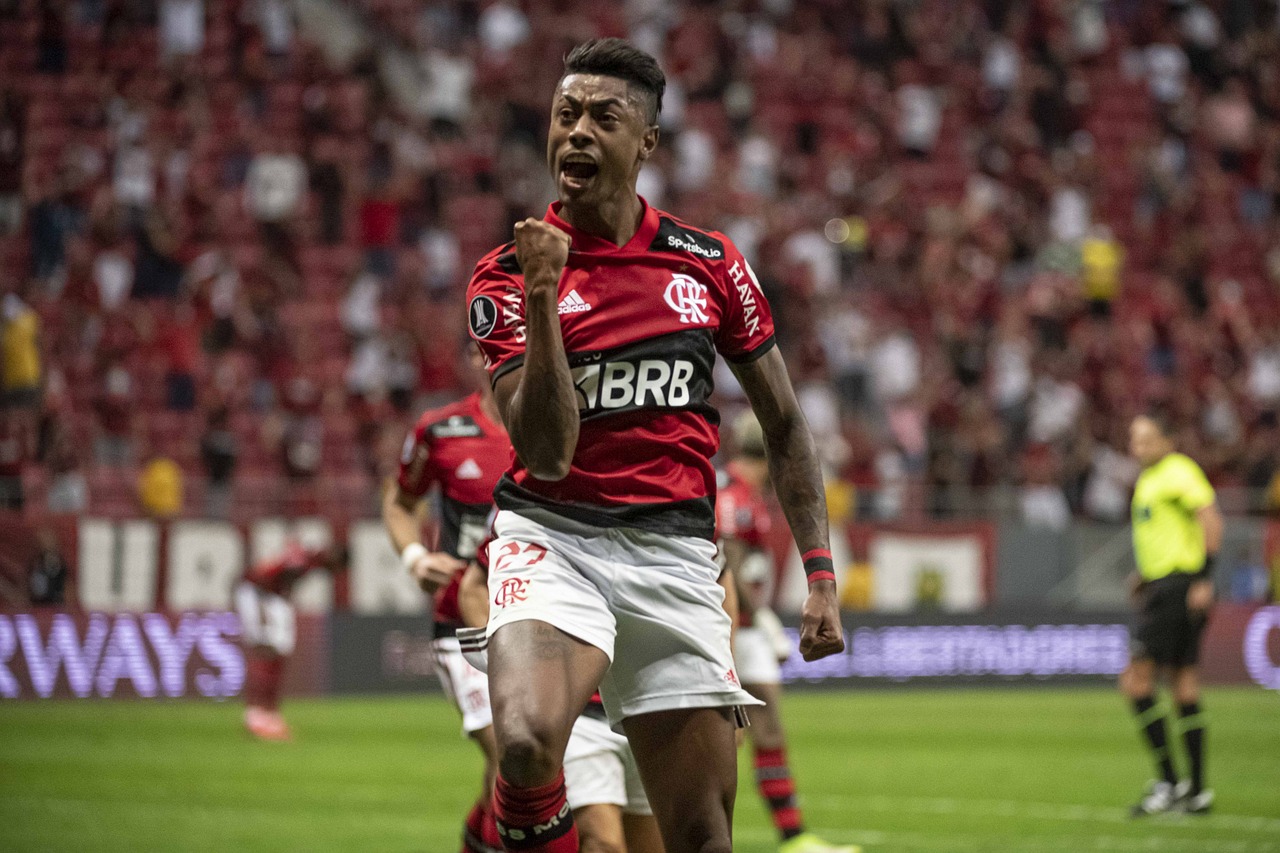
Leadership on and off the pitch has been crucial in navigating the tactical evolution of Brazilian football. Captains and key players often embody the team’s philosophy, setting the tone for tactical execution. Players like Thiago Silva and Dani Alves have been exemplary leaders, balancing discipline with the creative flair inherent in Brazilian football.
Off the pitch, the role of the coaching staff in fostering a cohesive team dynamic cannot be overstated. Effective communication and a clear tactical vision are essential for integrating individual brilliance into a collective team effort. Brazilian coaches have excelled in creating environments where players can express themselves within a structured system.
The Psychological Aspect of Modern Tactics
The mental aspect of football has gained prominence, with sports psychology now a key component of tactical preparation. Understanding player psychology and fostering a positive team environment can significantly impact performance. The Brazilian national team has increasingly focused on mental resilience and team bonding to navigate the pressures of international tournaments.
Workshops and mental conditioning sessions are now commonplace, helping players handle the emotional highs and lows of competitive football. By prioritizing mental well-being, Brazilian football continues to evolve, ensuring players are equipped to perform at their best under pressure.
Conclusion: A Legacy of Innovation and Excellence
Brazilian football’s tactical evolution is a journey of continuous adaptation and innovation. From the rhythmic samba style to the integration of modern football strategies, Brazil has consistently been at the forefront of football excellence. As the global game advances, Brazil’s ability to blend tradition with innovation will be crucial in maintaining its status as a football powerhouse.
The future looks promising, with a new generation of players and coaches poised to lead Brazil into a new era of tactical sophistication. For those interested in the broader tactical trends in football, exploring resources such as Sports Illustrated and UEFA can provide valuable perspectives on the evolving nature of the beautiful game.