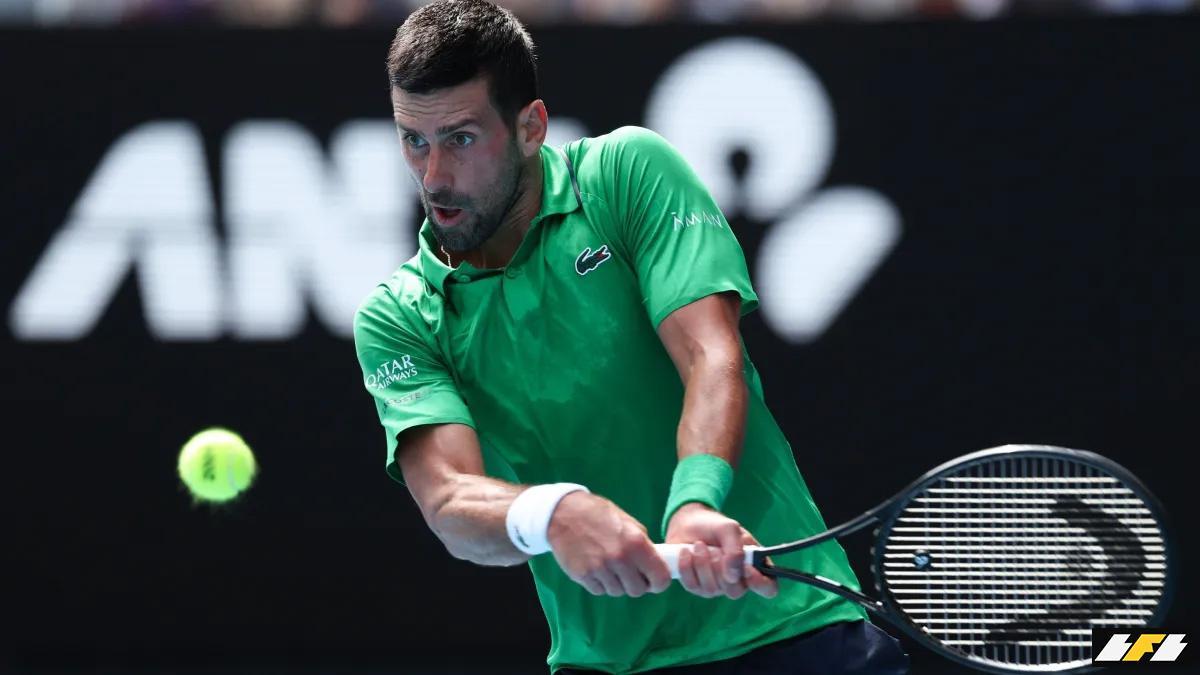
The Impact of COVID-19 on the Sports Industry: A Comprehensive Review The COVID-19 pandemic has reshaped various facets of our world, with the sports industry experiencing unprecedented disr.
esportes-br.comBrazil sports news and match analysis.
“The Impact of COVID-19 on the Sports Industry: A Comprehensive Review”
Updated: April 20, 2026
The Impact of COVID-19 on the Sports Industry: A Comprehensive Review
The COVID-19 pandemic has reshaped various facets of our world, with the sports industry experiencing unprecedented disruptions and transformations. From the cancellation of major events to the evolution of broadcasting and digital engagement, the pandemic’s effects on sports have been both profound and enduring. This comprehensive review delves into the multiple dimensions of how COVID-19 has impacted the sports industry.
The Immediate Effects: Cancellations and Postponements
As the COVID-19 pandemic spread globally in early 2020, the immediate response from the sports industry was to suspend activities. Major events, including the 2020 Tokyo Olympics and the UEFA Euro 2020, were postponed, impacting athletes, sponsors, and fans alike. These cancellations signaled a massive economic hit, as ticket sales, broadcasting rights, and sponsorships constitute significant revenue streams for sporting organizations.
Leagues across different sports and countries faced similar challenges. The National Basketball Association (NBA) and the English Premier League (EPL) were among the first to suspend their seasons, prioritizing health over financial losses. These decisions were not made lightly, as they involved complex logistical considerations and substantial financial implications.
Financial Implications and Economic Losses
The economic impact of these cancellations and postponements can’t be understated. According to Deloitte’s analysis, the pandemic has led to billions of dollars in losses. The sports industry, which thrives on live events, faced a sharp decline in revenue streams, including ticket sales, merchandise, and hospitality services.
Broadcasting rights, a major revenue source, were also affected. With no live events to broadcast, networks faced potential losses, leading to renegotiations of contracts. This scenario forced leagues to adapt quickly, exploring alternative formats to deliver content to fans, such as virtual games and esports.

Adaptation and Innovation: The Rise of Digital Engagement
With the traditional sports model disrupted, the industry turned to digital platforms to maintain fan engagement. This shift accelerated the adoption of digital technologies, with sports organizations embracing innovative solutions to connect with audiences.
Virtual fan experiences, social media live streams, and augmented reality (AR) features became integral to maintaining viewer interest. Esports, already on the rise before the pandemic, gained further traction as traditional sports players and teams ventured into this digital arena. This trend is likely to continue, offering new revenue streams and broader audience engagement.
Impact on Athletes and Mental Health Concerns
The pandemic has also significantly affected athletes, both financially and psychologically. With competitions halted, many athletes faced financial uncertainty, particularly those reliant on performance-based income. Additionally, the lack of competitive opportunities and the isolation during lockdowns took a toll on athletes’ mental health.
Organizations have recognized these challenges, providing mental health support and resources to help athletes cope. The importance of mental health in sports has gained attention, promoting discussions around well-being and resilience in the face of adversity.
Changing Sponsorship Dynamics
The sports sponsorship landscape has also evolved due to the pandemic. Brands have had to reevaluate their strategies, focusing on digital activations and community-driven initiatives. Sponsorships now emphasize flexibility and adaptability, with brands seeking meaningful engagement with audiences rather than mere exposure.
Moreover, sponsors are aligning with causes that resonate with audiences, reflecting a shift towards purpose-driven marketing. This trend was evident during the pandemic, as brands supported community relief efforts and health campaigns, strengthening their connection with consumers.
The Road to Recovery: Future Prospects and Challenges

As the world gradually recovers from the pandemic, the sports industry faces a challenging yet promising path ahead. The reintroduction of live audiences in stadiums is a positive step, but the industry must navigate ongoing uncertainties and potential future disruptions.
Leagues and organizations are exploring hybrid models, combining in-person and virtual experiences to enhance fan engagement. This approach not only addresses health concerns but also caters to a global audience, expanding the reach and appeal of sports.
Furthermore, sustainability and resilience are becoming central themes in the industry’s recovery strategy. Lessons learned during the pandemic are shaping future policies, focusing on adaptable business models and robust crisis management plans.
Conclusion: A Transformed Sports Landscape
The COVID-19 pandemic has undeniably transformed the sports industry, prompting rapid adaptation and innovation. While the challenges have been significant, they have also paved the way for new opportunities and a more resilient industry. As sports continue to recover and evolve, the lessons learned during this period will shape a future that embraces digital engagement, prioritizes athlete well-being, and aligns with societal values.
For more information on the ongoing impact of COVID-19 on various sectors, including sports, visit the World Health Organization’s COVID-19 portal and stay informed about the latest developments and safety guidelines.
Technological Advancements and Their Role in Recovery
Technology has played a crucial role in the sports industry’s response to the pandemic, and its influence will continue to grow. The integration of advanced technologies such as artificial intelligence (AI), machine learning, and big data analytics is transforming how sports organizations operate and engage with fans.
AI and data analytics are being used to enhance player performance and injury prevention. Wearable technology and smart equipment provide real-time data that coaches and medical staff can use to tailor training programs and monitor athletes’ health. This data-driven approach not only improves performance but also minimizes the risk of injury, ensuring athletes can compete safely.

Moreover, virtual reality (VR) and augmented reality (AR) technologies are creating immersive fan experiences. Fans can now attend virtual stadium tours, participate in interactive events, and enjoy a more personalized viewing experience from the comfort of their homes. These innovations are expanding the audience base and offering new monetization opportunities for sports organizations.
Women in Sports: An Evolving Dynamic
The pandemic has also highlighted the growing importance of women’s sports, which have gained increased visibility and recognition. As traditional sports calendars were disrupted, women’s sports leagues seized the opportunity to capture new audiences through digital platforms and innovative content delivery.
The success of events like the Women’s National Basketball Association (WNBA) bubble season and the increased viewership of women’s soccer leagues underscore the potential for growth in this segment. Sports organizations are now investing more in women’s sports, recognizing their value in a diverse and inclusive sports landscape.
Community Engagement and Social Responsibility
During the pandemic, sports organizations have strengthened their role as community leaders, engaging in social responsibility initiatives and supporting local communities. From providing stadiums as vaccination centers to athletes participating in public health campaigns, the sports industry has leveraged its influence for the greater good.
This emphasis on community engagement is expected to continue as fans increasingly value brands and teams that demonstrate genuine social responsibility. By aligning with causes that matter to their audiences, sports organizations can build stronger connections and foster loyalty among fans.
The Future of Sports Broadcasting
The pandemic has accelerated changes in sports broadcasting, with a shift towards streaming services and on-demand content. Traditional broadcasters are adapting to the digital age, offering comprehensive streaming options and interactive features to enhance the viewing experience.

This transformation is not only meeting the demands of tech-savvy audiences but also opening up new revenue streams through subscription models and targeted advertising. As more fans cut the cord on traditional cable services, the focus on digital platforms will likely continue to shape the future of sports broadcasting.
Conclusion: Embracing Change and Building Resilience
The COVID-19 pandemic has acted as a catalyst for change within the sports industry, driving innovation and prompting a reevaluation of traditional business models. While the challenges have been significant, they have also provided an opportunity for the industry to build resilience and embrace new ways of engaging with fans and delivering content.
As we look to the future, the sports industry must continue to adapt to the evolving landscape, prioritizing flexibility, digital engagement, and social responsibility. By doing so, it can emerge stronger and more connected than ever before, offering exciting opportunities for fans, athletes, and stakeholders alike.
For further insights into the latest trends and developments in the sports industry, explore the resources available at SportBusiness, a leading source of sports industry news and analysis.
Lessons Learned: Preparing for Future Disruptions
The COVID-19 pandemic has taught the sports industry valuable lessons about preparedness and adaptability. Organizations have realized the importance of having robust contingency plans and flexible operations to withstand future disruptions, whether due to health crises, economic downturns, or other unforeseen events.
One key lesson is the necessity of diversifying revenue streams. Relying heavily on ticket sales and live events proved risky during the pandemic. As a result, sports organizations are exploring new avenues for income, such as digital content, merchandise, and virtual experiences, ensuring a more balanced financial approach.
Another crucial takeaway is the need for effective communication strategies. During the pandemic, transparent and timely communication with stakeholders, including fans, sponsors, and employees, was essential. This practice will continue to play a critical role in maintaining trust and loyalty in the face of challenges.
The Role of Governance and Policy in Shaping the Future

The pandemic has highlighted the importance of governance and policy in managing the sports industry. Regulatory bodies and sports organizations have had to make swift decisions regarding health protocols, travel restrictions, and event scheduling, often in collaboration with government authorities.
Moving forward, effective governance will be vital in ensuring the safety and sustainability of sports events. Policies focusing on health standards, crisis management, and environmental sustainability will play a pivotal role in shaping the future of sports, addressing both current needs and long-term goals.
For in-depth information on policy changes and governance in sports, the CIES – International Centre for Sports Studies offers extensive research and resources on sports management and governance.
Building a More Inclusive Sports World
The pandemic has also been a catalyst for discussions around inclusivity and diversity in sports. As the world faced shared challenges, the importance of creating a more inclusive environment became increasingly evident. From gender equality to racial diversity, sports organizations are now more committed than ever to promoting inclusion across all levels.
Initiatives to engage underrepresented groups, invest in grassroots programs, and advocate for equal opportunities are gaining momentum. This commitment to inclusivity not only enriches the sports industry but also reflects broader societal values, fostering a sense of unity and progress.
Conclusion: A Resilient Reawakening
The COVID-19 pandemic has undoubtedly reshaped the sports industry, serving as both a challenge and an opportunity for growth and innovation. As the industry emerges from this crisis, it carries forward lessons of resilience, adaptability, and the power of technology and community.
By embracing change and focusing on sustainability, inclusivity, and digital engagement, the sports industry is poised to thrive in a post-pandemic world. Fans, athletes, and stakeholders can look forward to a more dynamic and connected sports experience, one that honors the spirit of competition while adapting to the needs of a changing world.
For ongoing updates and expert analysis on how the sports industry continues to evolve post-pandemic, visit Sports Business Daily, a trusted source for sports business news and insights.