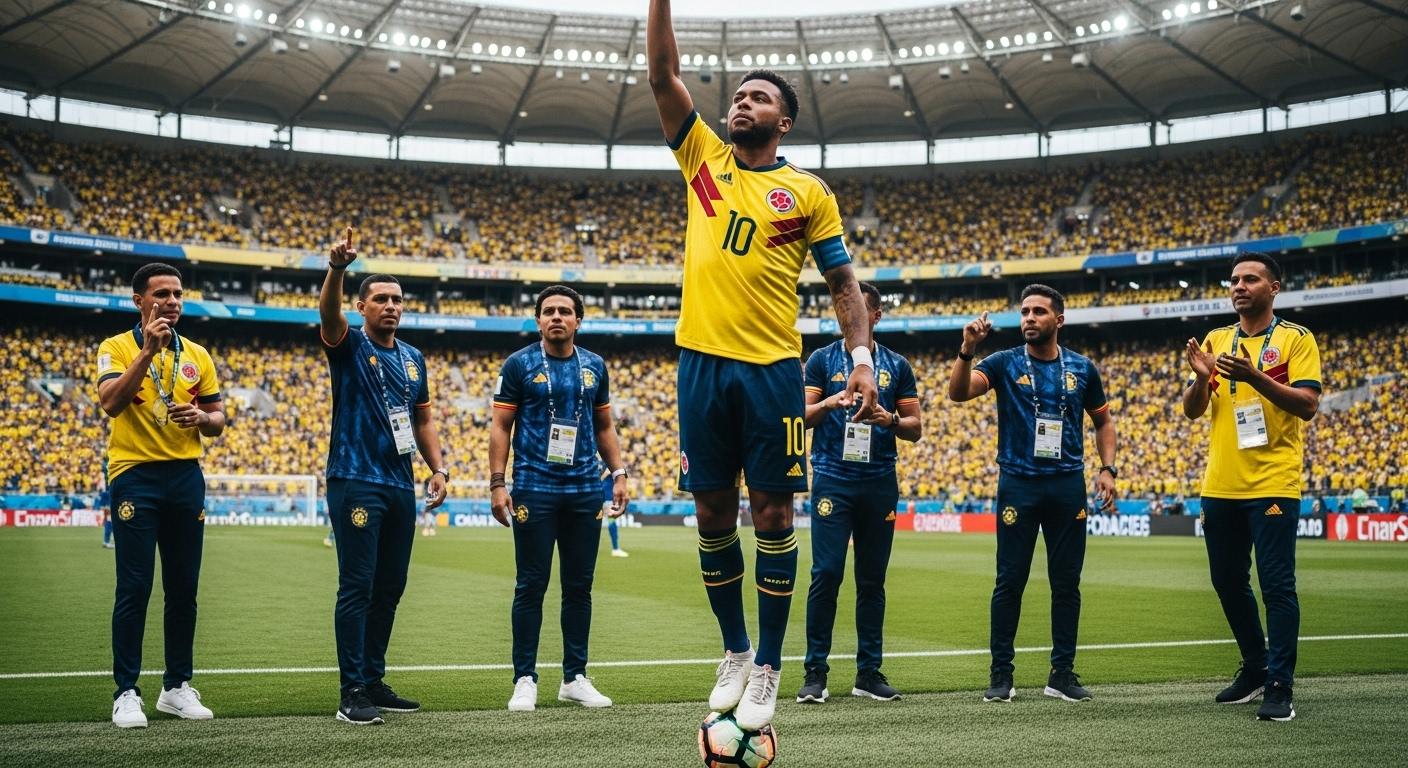
Brazil’s stadium landscape is evolving toward multi-use venues that balance football heritage with modern entertainment. This analysis examines how the.
In Brazil, the evolution of stadiums is less about brick and seating and more about how urban space, public policy, and private investment converge to deliver multi-use venues. The estadio Sports Brazil has become a shorthand—and a test case—for this shift. It signals a broader, practical question: how can modern arenas serve football tradition while generating value for neighborhoods, post-match economies, and fans who consume sports across screens and in person? This analysis weighs the promises against the realities, aiming for a balanced view that informs planners, clubs, and communities alike.
A Landscape of Brazilian Stadiums
Brazil’s stadiums sit at the intersection of heritage and modernization. Across regions, cities have pursued upgrades or new builds with an explicit aim: create venues that can host football scores, concerts, conferences, and fan experiences beyond 90 minutes on a weekend. The shift toward multi-use design reflects fiscal constraints and shifting spectator habits. In practice, this means more flexible seating configurations, enhanced accessibility, and infrastructure that can accommodate events ranging from international friendlies to celebrity tours and large-scale esports or fan events. The estadio Sports Brazil embodies this mindset: it is discussed not only as a place for the national game but as a platform for regional identity, local business, and city branding. Yet the pathway is not uniform. Some cities report strong utilization during peak seasons, while others face days when the venue sits largely idle, underscoring the need for careful programming, partnerships, and long-term maintenance plans. As planners balance short-term budgets with long-range assets, the story of stadiums in Brazil becomes a story of governance as much as architecture.
Economic and Social Impacts
The economic footprint of a modern stadium extends far beyond matchday tickets. Local businesses—hotels, bars, transportation services, and retail—often see a surge in activity around events. The influx can support job creation, temporary employment, and intensified commercial activity in surrounding districts. When planned thoughtfully, stadiums also catalyze urban renewal, offering public spaces for community events, youth programs, and cultural programming that persists beyond a single sporting season. However, the financial model underpinning large venues remains a critical variable. Maintenance, security, and structural upgrades require ongoing funding, and revenue streams must be diversified—signing sponsorships, hosting non-sport events, and leveraging digital engagement—to counterbalance seasonal volatility. In this context, the estadio Sports Brazil is best viewed as a strategic asset whose value accrues when a city coordinates sports, culture, and commerce in sustained, predictable ways rather than on sporadic bursts of big events.
Operational Realities and Risks
Operational realities introduce a set of practical risks that tend to center around utilization, safety, and lifecycle costs. Scheduling conflicts between football calendars, concert tours, and potential esports gatherings require governance structures that can adapt to shifting demand. Underutilization during off-peak periods can strain budgets if fixed costs remain high, potentially leading to revenue shortfalls or delayed maintenance. Conversely, high utilization can enhance public perception and justify continued public investment. The most successful models emphasize clear governance for maintenance, a diversified events calendar, and partnerships with local stakeholders to ensure consistent usage. The estadio Sports Brazil, in this view, becomes not only a sports venue but a tested framework for how a city negotiates risk, allocates resources, and maintains relevance in a crowded entertainment market.
What This Means for Brazilian Esports and Fans
Esports and live digital experiences are expanding the expectations fans have for stadiums. Large screens, robust bandwidth, and crowd-driven spectacle can transform a venue from a traditional football arena into a social hub where fans gather for broadcasts, immersive experiences, and occasional live events. In Brazil, where gaming communities are vibrant, stadiums with flexible infrastructure can serve as legitimate platforms for regional tournaments, fan gatherings, and cross-media engagement. But turning this potential into a sustainable practice requires deliberate planning: investment in digital infrastructure, concessions that align with longer event cycles, and partnerships with leagues and teams that value multi-use calendars as much as football matches. The estadio Sports Brazil thus becomes a lens through which to assess not only physical capacity but also the capacity to attract diverse audiences, integrate technology, and deliver value on non-matchdays while preserving the cultural essence of Brazilian football.
Actionable Takeaways
- Invest in flexible infrastructure that supports esports events, concerts, and community programs during off-peak periods to maximize asset utilization.
- Strengthen public transit and safety planning around major venues to enhance accessibility and reduce neighborhood disruption on event days.
- Develop a long-term maintenance and lifecycle plan to manage rising costs and extend stadium lifespans through phased upgrades.
- Forge partnerships with local clubs, universities, and event organizers to maintain a steady calendar of activities that keep the venue relevant year-round.
- Leverage digital platforms and fan engagement tools to broaden reach beyond local crowds, turning matchdays into multimedia experiences while supporting revenue diversification.