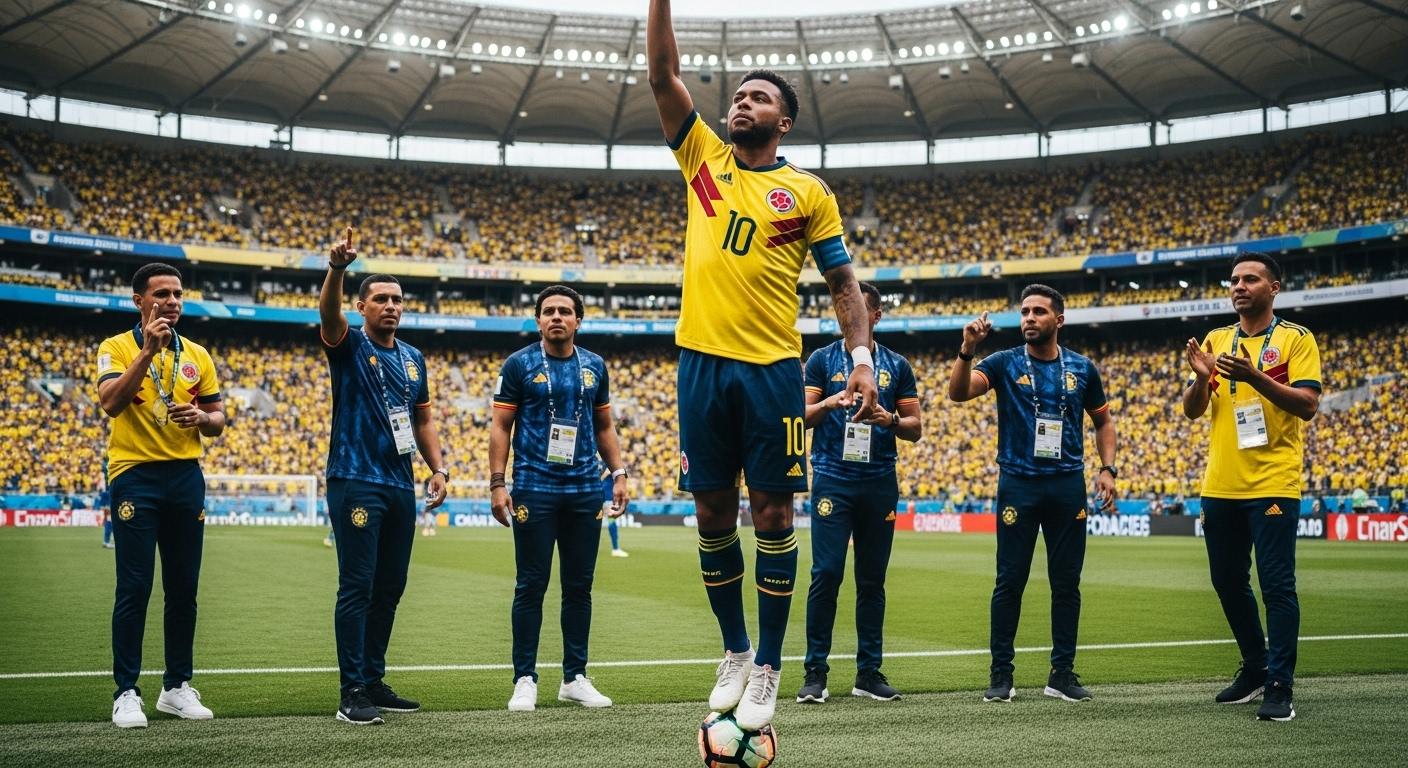
An in-depth look at Gabi Portilho’s transfer to the San Diego Wave and what it signals for san Sports Brazil and the Brazilian talent pipeline abroad.
esportes-br.comBrazil sports news and match analysis.
san Sports Brazil: Portilho’s move tests Brazilian talent abroad
Updated: April 19, 2026
From the Brazilian talent pipeline to cross-continental scouting maps, Gabi Portilho’s move to the San Diego Wave illustrates a broader trend in modern football. For san Sports Brazil, this transfer is not just about a single athlete, but about how Brazil’s football ecosystem currencies its rising stars in a global market.
Contextual backdrop: Brazilian talent, North American growth, and domestic constraints
Brazilian players have long been a feature of leagues abroad, but the past decade has seen a rapid acceleration in cross-border transfers, particularly to the United States’ NWSL. The NWSL offers structured development, visibility in a market hungry for diverse playstyles, and, increasingly, competitive salaries that outpace some domestic options in Brazil. The Brazilian women’s game has grown rapidly in visibility, yet domestic resources, sponsorship, and media exposure still lag behind men’s football. Portilho’s move can be read as a signal that players are weighing the trade-offs between immediate playing time in a developing domestic ecosystem and the professional growth promises in North American leagues.
Portilho’s move: what it means for her career and the clubs involved
Portilho’s transition from Gotham FC to the San Diego Wave places her in a club environment known for tactical emphasis and forward-thinking recruitment. For Portilho, the change offers potential for more regular minutes in a setup that values speed, movement, and clinical finishing, depending on the coach’s plan. For Gotham, losing a Brazilian international tests their depth and their ability to retain rising talents. For San Diego, acquiring a Brazilian forward expands stylistic options—pace, off-ball movement, and a different finishing profile—that can help them contest top teams in a competitive league. The exchange also underscores the increasing willingness of U.S. clubs to scout Brazil directly for technical quality and hunger.
Implications for fans, sponsors, and the Brazilian talent pipeline
For Brazilian fans, Portilho’s move is a tangible link to the broader export economy of Brazilian football—fans can follow players across continents and gauge how domestic development translates into performance abroad. For sponsors and federations, the situation highlights the need to invest in youth academies, data-driven scouting, and pathways that can convert domestic promise into professional opportunity without eroding the local league’s competitiveness. A healthy pipeline benefits all stakeholders: players gain exposure and experience, clubs access higher-caliber competition, and fans receive more varied football narratives.
Looking ahead: scenarios for 2026-27 and beyond
If Portilho’s move proves successful, more Brazilian players—especially in the women’s game—may follow, accelerating a trend of talent draining to foreign leagues that value development and exposure. This could pressure domestic leagues to improve parity, sponsorship deals, and broadcast reach to retain top prospects or secure timely returns through loan arrangements or transfer clauses. A balanced approach might involve joint development agreements between Brazilian clubs and international partners, ensuring young players benefit from international experience while Brazilian teams retain a stake in their long-term futures.
Actionable Takeaways
- Track the career progression of Brazilian women players abroad to understand how exposure in leagues like the NWSL translates into performance and market value.
- Domestic stakeholders should align youth development with professional opportunities, ensuring that talent growth does not outpace opportunities at home.
- Clubs and sponsors can collaborate on pathways that offer clear incentives for young players to both develop domestically and test themselves internationally.
- Fans should engage with international leagues to broaden the narrative around Brazilian football talent and its global impact.
- Policy-makers and federations should consider funding for scouting networks and academies that connect domestic talent with global opportunities while preserving the league’s competitiveness.
Source Context
Key references covering Portilho’s move and related context include the following:
- Reuters: Gotham FC transfer F Gabi Portilho to San Diego Wave
- Yahoo Sports: Gabi Portilho transfer report
- FOX Sports: Neymar and 2026 World Cup discussions
From an editorial perspective, separate confirmed facts from early speculation and revisit assumptions as new verified information appears.
Track official statements, compare independent outlets, and focus on what is confirmed versus what remains under investigation.
For practical decisions, evaluate near-term risk, likely scenarios, and timing before reacting to fast-moving headlines.
Use source quality checks: publication reputation, named attribution, publication time, and consistency across multiple reports.