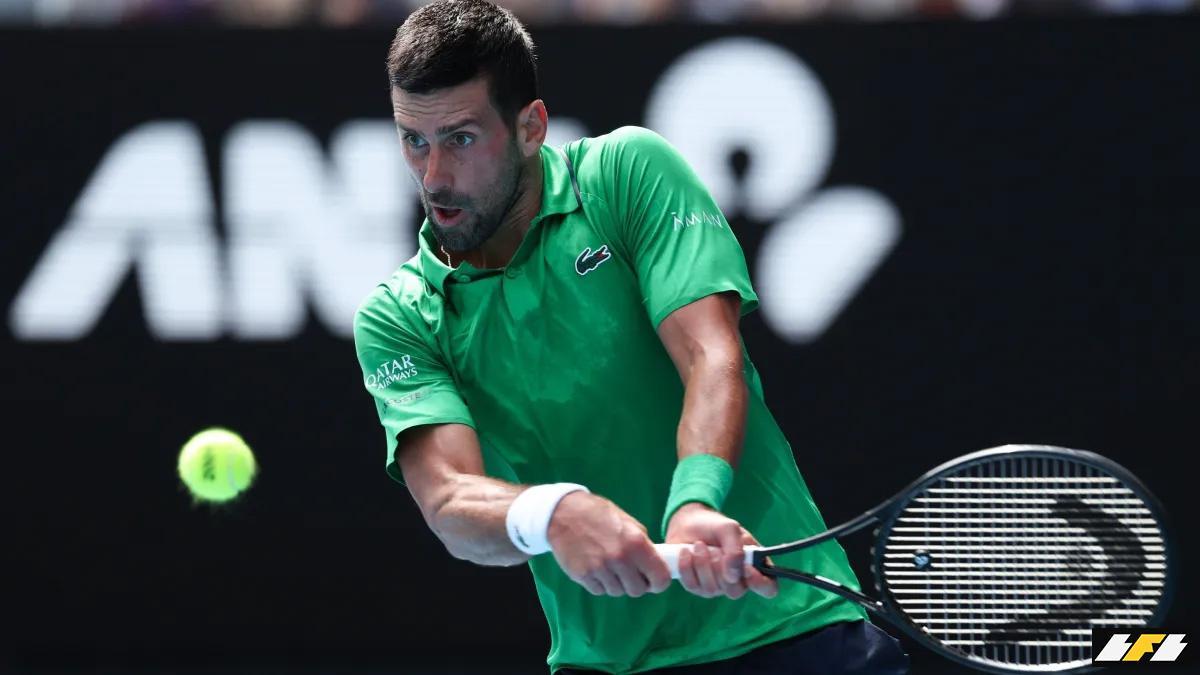
The Impact of COVID-19 on the Sports Industry: A Comprehensive Review The COVID-19 pandemic has left an indelible mark on numerous sectors worldwide, and the sports industry is no exception.
esportes-br.comBrazil sports news and match analysis.
“The Impact of COVID-19 on the Sports Industry: A Comprehensive Review”
Updated: April 20, 2026
The Impact of COVID-19 on the Sports Industry: A Comprehensive Review
The COVID-19 pandemic has left an indelible mark on numerous sectors worldwide, and the sports industry is no exception. As the pandemic swept across the globe, it brought with it unprecedented challenges and transformations, altering the landscape of sports in ways previously unimaginable. This comprehensive review delves into the multifaceted impact of COVID-19 on the sports industry, exploring how it has reshaped everything from professional leagues to grassroots sports, the financial implications, and the long-term effects on athletes and fans alike.
The Immediate Halt: Suspension of Sporting Events
In early 2020, as the reality of the pandemic set in, sports organizations around the world faced the daunting task of safeguarding public health. This led to the suspension of major sporting events, including the postponement of the Tokyo 2020 Olympics and the cancellation of numerous leagues and tournaments. For instance, the International Olympic Committee made the historic decision to delay the Olympics for the first time in its history.
This suspension of sporting events had a ripple effect, impacting not just athletes and teams, but also broadcasters, sponsors, and local economies reliant on sports tourism. With stadiums empty and fans confined to their homes, the sports industry had to adapt swiftly to a new, uncertain reality.
Financial Implications: A Struggle for Survival

The financial ramifications of the pandemic on the sports industry have been profound. With the halt of live events, revenue streams from ticket sales, sponsorships, and broadcasting rights dwindled, leaving many organizations in precarious financial positions. According to Deloitte’s Sports Business Group, the European football market alone faced significant revenue losses, with clubs having to reassess their financial strategies.
Smaller clubs and grassroots organizations were hit particularly hard, as they often lack the financial buffers of larger entities. The pandemic exposed vulnerabilities in the financial models of many sports organizations, leading to widespread layoffs, budget cuts, and in some cases, permanent closures.
The Rise of Digital Alternatives: A New Era of Sports Consumption
As physical events became untenable, the sports industry turned to digital platforms to maintain engagement with fans. Virtual events, e-sports, and live-streamed competitions gained traction, offering fans a semblance of normalcy. Platforms like Twitch and YouTube became havens for both traditional sports and e-sports, bridging the gap between athletes and fans.
The shift to digital also accelerated innovations in fan engagement, with sports organizations investing in augmented and virtual reality experiences. These technologies provided immersive experiences, allowing fans to “attend” events from the comfort of their homes. This digital transformation has opened new avenues for revenue generation and fan interaction, setting the stage for a hybrid model of sports consumption post-pandemic.
Health and Safety: A New Paradigm in Sports
The pandemic has fundamentally altered the approach to health and safety within the sports industry. Stringent protocols, including regular testing, bio-secure bubbles, and social distancing measures, became the norm. Leagues like the NBA and Premier League implemented comprehensive measures to ensure the safety of players and staff, setting examples for other sports to follow.

These protocols, while effective in mitigating the spread of the virus, also brought logistical and financial challenges. The costs associated with testing and maintaining bio-secure environments added financial strain to already burdened organizations. Moreover, the mental and physical toll on athletes, who often found themselves isolated from family and support networks, highlighted the importance of mental health resources within sports.
The Role of Sports in Community and Mental Health
Beyond the economic and operational impacts, the pandemic underscored the vital role sports play in community building and mental health. With gyms and recreational facilities closed, individuals turned to sports as a means of maintaining physical health and coping with stress. The absence of live sports events, however, also deprived fans of a critical social and emotional outlet.
Community sports organizations, despite facing their own challenges, played a crucial role in supporting local communities, offering virtual fitness classes, and promoting physical activity. The pandemic has reinforced the intrinsic value of sports as a tool for social cohesion and mental well-being, prompting a renewed focus on accessibility and community engagement in the post-pandemic era.
Long-Term Implications: The Future of Sports
As the world gradually emerges from the pandemic, the sports industry faces a new normal characterized by hybrid events, digital innovation, and an increased emphasis on health and safety. The lessons learned during this time will shape the future of sports in several key ways:
- Hybrid Models: The integration of digital platforms with live events will continue to evolve, offering fans versatile ways to engage with sports.
- Financial Resilience: Organizations will prioritize building financial resilience, diversifying revenue streams to withstand future disruptions.
- Health Protocols: Enhanced health and safety measures will become a permanent fixture, with a focus on both physical and mental well-being.
- Community Focus: The pandemic has highlighted the importance of community sports, prompting increased investment in grassroots initiatives.

Takeaways
The COVID-19 pandemic has been a catalyst for change in the sports industry, challenging its very foundations while also driving innovation and adaptation. The industry’s ability to navigate these challenges and embrace new opportunities will determine its resilience in the face of future crises. As we move forward, the lessons learned during the pandemic will continue to influence the evolution of sports, ensuring that it remains a vital part of our social fabric and a beacon of hope and unity for communities worldwide.
Technological Advancements: Paving the Way for the Future
The technological advancements accelerated by the pandemic have paved the way for a future where technology and sports are intricately linked. Innovations such as artificial intelligence, data analytics, and blockchain are being increasingly integrated into sports operations, enhancing everything from player performance analysis to fan engagement.
Data analytics, for example, has become a powerful tool for teams and coaches, providing insights into player performance and helping to make informed decisions on training and strategy. Moreover, blockchain technology is emerging as a means to ensure transparency and security in ticketing and merchandise sales, offering fans a seamless and trustworthy experience.
Sustainability in Sports: An Emerging Priority

As the world grapples with the broader implications of global pandemics and climate change, sustainability has emerged as a critical priority for the sports industry. The reduced carbon footprint resulting from fewer live events and international travel during the pandemic has sparked discussions about sustainable practices in sports.
Sports organizations are now exploring ways to reduce their environmental impact, such as implementing energy-efficient practices in stadiums, promoting sustainable transportation for fans, and supporting environmental initiatives. The pandemic has provided an opportunity for the industry to rethink its approach to sustainability, aligning with broader global efforts to combat climate change.
The Role of Governance and Policy
The pandemic has also highlighted the importance of governance and policy in navigating crises within the sports industry. Sports governing bodies have had to adapt quickly, implementing new regulations and guidelines to ensure the safety of participants and fans. This has underscored the need for robust governance structures capable of responding effectively to future challenges.
In the wake of the pandemic, there is a growing call for sports organizations to prioritize transparency and accountability in their operations. This involves not only adhering to health and safety protocols but also ensuring ethical practices in areas such as player welfare, financial management, and inclusivity. Strengthened governance and policy frameworks will be essential for building trust and resilience in the sports industry moving forward.
Inclusivity and Diversity: A Renewed Focus
The pandemic has also brought to the forefront issues of inclusivity and diversity within the sports industry. As organizations strive to rebuild and grow, there is a renewed focus on ensuring that sports are accessible and welcoming to all individuals, regardless of background or ability.

Initiatives aimed at promoting diversity and inclusivity are being prioritized, with efforts to support underrepresented groups, increase the visibility of women’s sports, and create inclusive environments for athletes with disabilities. The pandemic has served as a reminder of the power of sports to bring people together and the importance of fostering an inclusive culture that reflects the diversity of our global society.
Resilience and Innovation: The Silver Lining
While the challenges posed by the COVID-19 pandemic have been significant, they have also driven resilience and innovation within the sports industry. Organizations have demonstrated remarkable adaptability, leveraging creativity and technology to overcome obstacles and continue delivering value to fans and communities.
The lessons learned during this period of upheaval will undoubtedly shape the future of sports, fostering a more agile and innovative industry. As sports organizations continue to navigate the post-pandemic landscape, they will be better equipped to face future challenges with resilience and a renewed commitment to growth and innovation.
In Summary
The COVID-19 pandemic has been a transformative force for the sports industry, prompting significant changes in how sports are managed, consumed, and experienced. From financial challenges and digital transformation to a heightened focus on health, safety, and sustainability, the industry has navigated a complex landscape, emerging with valuable insights and new opportunities.
As we look to the future, the sports industry must continue to embrace innovation, prioritize inclusivity, and strengthen governance and sustainability efforts. By doing so, it can ensure that sports remain a vital source of inspiration, connection, and community, enriching the lives of individuals and societies worldwide.
For more information about the evolving landscape of sports, visit the SportBusiness website for in-depth analysis and insights.