
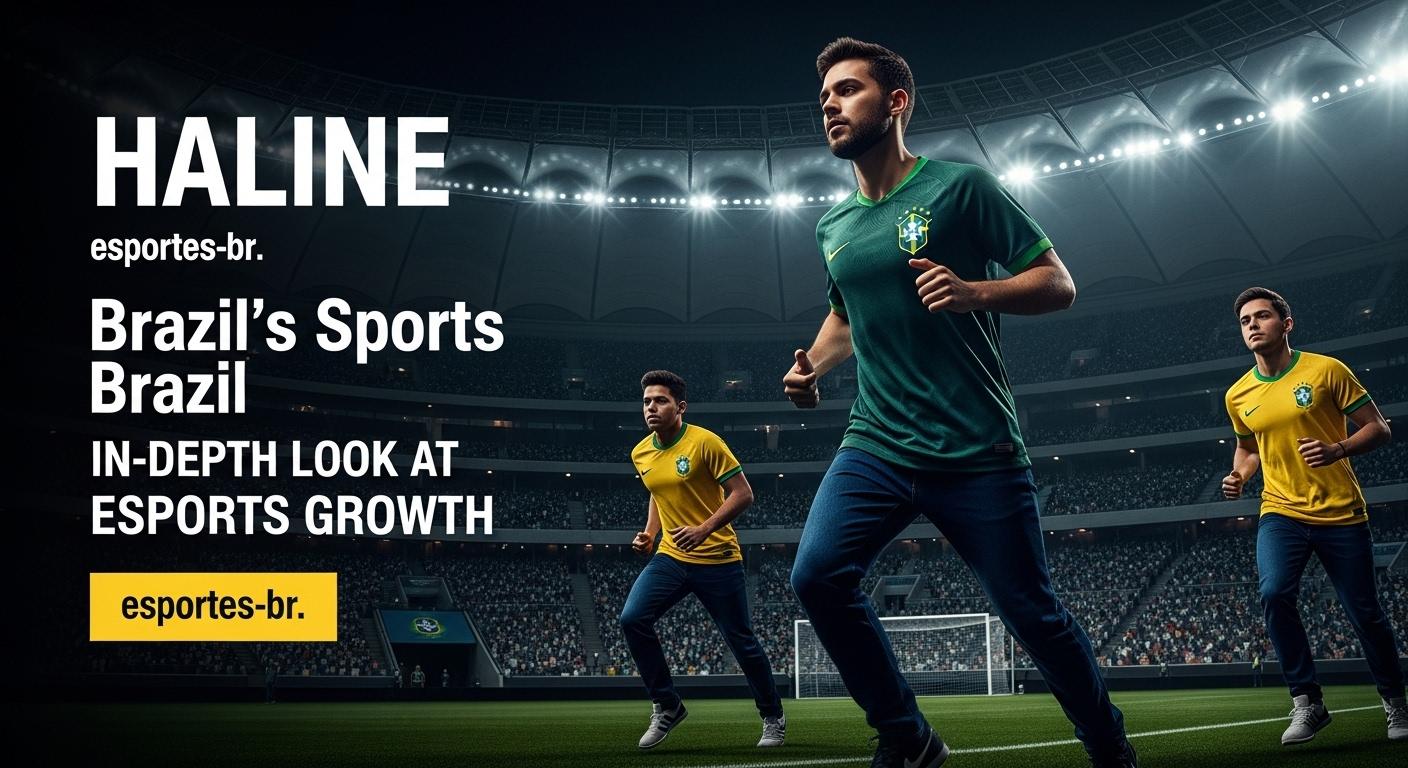
brazil’s Sports Brazil is more than a slogan—it’s a lens on how a nation ready to compete globally integrates esports into its traditional sports culture. The Brazilian audience treats gaming as not just entertainment but a pathway to professional status, educational opportunities, and local industry growth. This analysis examines how Brazil’s esports scene has evolved, where it stands today, and what must happen for sustainable expansion across markets and generations.
Context and Scope
From hobby clubs to increasingly professional outfits, the Brazilian esports ecosystem has diversified across genres. The flagship titles include League of Legends, Counter-Strike, and mobile battle royales such as Free Fire. The audience is largely younger and mobile-first, with streaming platforms driving discovery and community building. Local brands are beginning to allocate dedicated budgets for team sponsorships, digital content production, and regional events. This section maps the terrain: talent pipelines, event formats, revenue channels, and the connective tissue between players, teams, and fans. The scene also benefits from strong regional communities and a growing network of co-working spaces and academies that train players while they pursue education or work in related media roles.
Economic and Youth Impact
The rise of esports in Brazil has begun to generate career pathways beyond the视频 arena. Roles in coaching, data analysis, production, event operations, and media creation are increasingly recognized as legitimate livelihoods. Universities and technical programs experiment with gaming-focused curricula, while startups build tools for performance analytics and player development. This creates a pipeline that can feed professional teams and media houses with skilled workers who understand both the technical and narrative sides of competitive gaming. However, the growth is uneven. Large urban centers enjoy better connectivity, venues, and sponsor attention, while smaller communities face barriers such as device affordability, limited access to high-speed broadband, and fewer local events. A balanced development strategy will need to align sport federation oversight with grassroots support to prevent talent drain and to ensure that young players balance ambition with education and long-term planning.
Infrastructure, Investment, and Globalization
Infrastructure and investment are the twin gears driving Brazil’s esports expansion. Broadband improvements, affordable devices, and local production studios enable more ambitious broadcasts and regional tournaments that feel professional without losing regional flavor. Brazilian teams increasingly participate in cross-border circuits across Latin America and beyond, a trend that expands sponsorship opportunities and fan reach. Yet rights fragmentation, taxation considerations for event organizers, and travel costs for teams remain practical hurdles. The near-term catalysts include broader 5G rollout in major cities, partnerships with multinational publishers to standardize event formats, and the maturation of regional leagues that can feed talent into global competitions. A healthy globalization pathway also requires protective measures for players’ welfare and clear equity in revenue sharing across titles and platforms.
Policy, Governance, and Cultural Framing
Governance in Brazilian esports is moving from ad hoc organizing to more formal structures that address player welfare, safety, and data privacy. Responsible growth means building mentorship pipelines, career-transition support, and mental-health resources for athletes who navigate intense practice schedules and public scrutiny. Policymakers and federations should consider integrating esports into school and community programs, establishing clear anti-cheat standards, and creating transparent sponsorship disclosures to protect fans and young players. Culturally, esports in Brazil is increasingly seen as merit-based and inclusive, presenting an opportunity to celebrate Brazilian talent on global stages while guarding against burnout and over-commercialization that could undermine amateur ecosystems. The long-run objective is a sustainable balance where national identity, sport values, and digital innovation reinforce each other rather than compete for attention.
Actionable Takeaways
- Build and fund collaborative academies linking schools, clubs, and teams to provide dual tracks in gaming and academics, ensuring players maintain educational progress while pursuing esports careers.
- Expand broadband access and subsidize entry devices in underserved regions to widen participation and reduce regional talent gaps.
- Develop a formal governance framework for player welfare, anti-cheat measures, contract standards, and clear pathways for career transitions after competition.
- Encourage cross-title partnerships to diversify revenue streams, enabling smaller titles to grow alongside marquee games and increasing sponsor engagement across a broader audience.
- Promote Brazilian representation on global stages by supporting mentorship programs, localization of content, and strategic use of regional broadcasts to build a durable fan base.
Source Context
Contextual sources for further reading:


