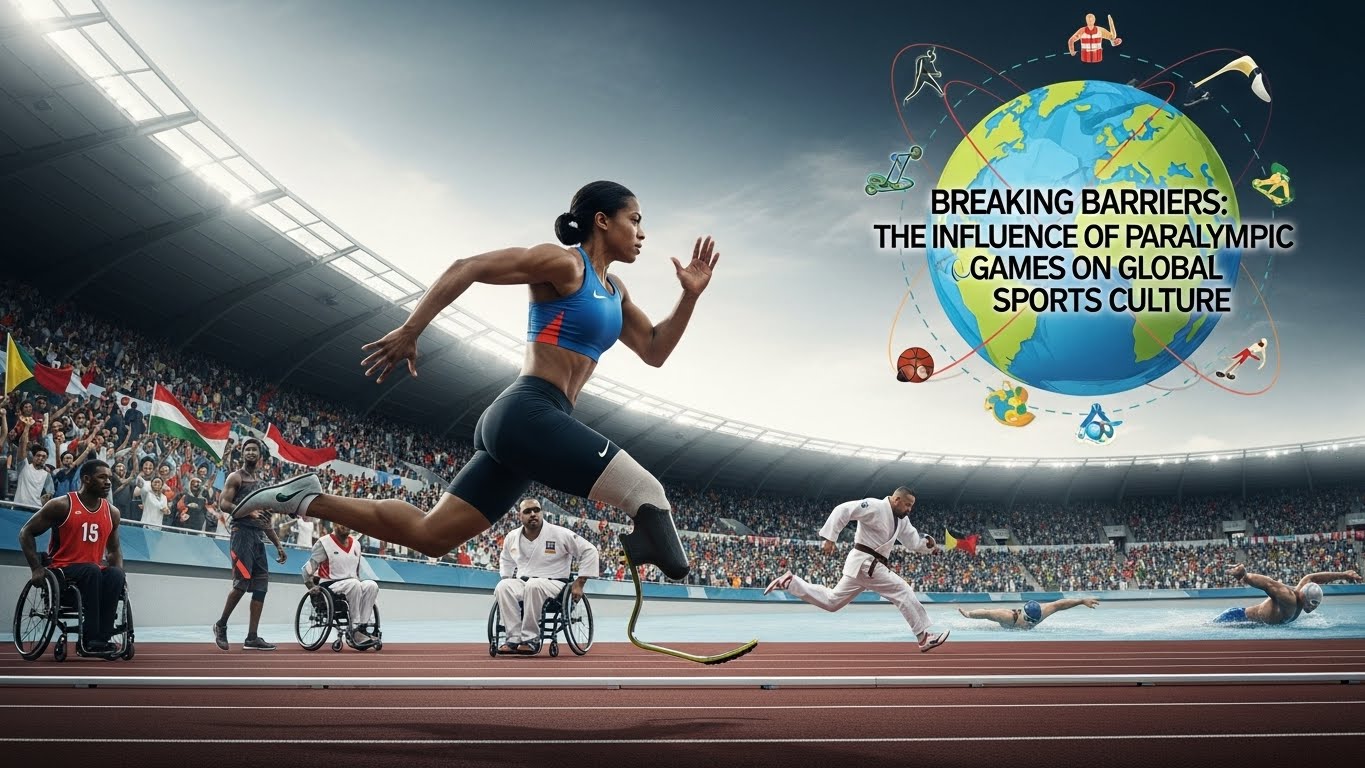
Breaking Barriers: The Influence of Paralympic Games on Global Sports Culture
The Paralympic Games stand as a beacon of hope, resilience, and the triumph of the human spirit. Since their inception, they have not only provided a platform for athletes with disabilities to showcase their prowess but have also significantly influenced global sports culture. As the world becomes more inclusive, the Paralympics represent a shift in how we perceive ability, competition, and human potential.
The Genesis of the Paralympic Movement
The Paralympic Games were born out of necessity and vision. After World War II, Dr. Ludwig Guttmann, a German-British neurologist, began using sports as a method of rehabilitation for veterans with spinal cord injuries. This laid the groundwork for the first official Paralympic Games held in Rome in 1960. With only 400 athletes from 23 countries, the event marked a pivotal moment in sports history.
Over the decades, the Paralympics have grown exponentially, transforming from a small gathering into a major global sporting event, attracting thousands of athletes from over 160 nations. This growth reflects a broader societal shift towards inclusivity and recognition of the capabilities of individuals with disabilities. The International Paralympic Committee (IPC) has been instrumental in advocating for these changes, ensuring that the Paralympics remain at the forefront of promoting equality in sports.
Changing Perceptions Through Media and Representation
The influence of the Paralympic Games extends beyond the sports arena. Media coverage has played a critical role in shaping public perception, providing visibility to athletes who were once marginalized. Coverage of the Paralympics has significantly improved, with broadcasters dedicating more airtime and resources to these events. This increased visibility helps challenge stereotypes and shifts the narrative from disability to ability.
Films, documentaries, and digital platforms have also contributed to this change. Stories of Paralympians like Tatyana McFadden, a multi-medalist in wheelchair racing, and Ellie Simmonds, a champion swimmer, have inspired millions. Their stories highlight not just their athletic achievements but their journey, resilience, and the barriers they’ve broken—reshaping societal views on disability and capability.
Technological Advancements and Their Impact
Innovation and technology have played a crucial role in leveling the playing field for Paralympic athletes. Advances in prosthetics, wheelchairs, and other adaptive equipment have enabled athletes to push the boundaries of what is possible. For instance, the development of carbon fiber blades for sprinters has revolutionized track events, allowing athletes like Oscar Pistorius to compete at extraordinary speeds.
These technological strides have not only enhanced performance but have also opened up new conversations about the intersection of technology and sport. Debates around fairness and the definition of ‘natural ability’ continue, but the overall impact has been positive, offering athletes the tools they need to excel. Organizations like the Wired magazine frequently explore these intersections, offering insights into how technology continues to evolve in sports.
Societal Impact and the Promotion of Inclusivity

The Paralympic Games have been catalytic in promoting inclusivity and accessibility, influencing policy and infrastructure worldwide. Cities hosting the Games, from London to Tokyo, have made significant strides in improving accessibility, setting new standards for public spaces and transportation. This focus on inclusivity extends beyond the Games, impacting urban planning and policy development globally.
Moreover, the Games have inspired grassroots initiatives that encourage sports participation among individuals with disabilities. Local clubs and organizations now offer adaptive sports programs, fostering a sense of community and belonging. These initiatives are crucial for social integration, providing individuals with the opportunity to stay active, build confidence, and enjoy the benefits of sports.
The Future of Paralympic Influence
As we look to the future, the influence of the Paralympic Games is set to grow. With each edition, the Games push boundaries, challenge norms, and inspire greater societal change. The ongoing commitment to inclusivity and representation ensures that the Paralympics remain a powerful platform for advocacy and transformation.
Increased collaboration with global sports organizations, governments, and private sector partners will be essential in continuing this trajectory. The integration of sustainable practices and technologies will also play a significant role, ensuring the Games adapt to the evolving needs of athletes and society. The Olympic Movement itself has been inspired by these changes, reflecting a growing synergy between the Olympics and Paralympics.
Conclusion: A Legacy of Empowerment

The legacy of the Paralympic Games is one of empowerment, resilience, and transformation. As the Games continue to evolve, they not only highlight the incredible achievements of athletes with disabilities but also serve as a reminder of the ongoing journey towards equality and inclusivity in sports. The influence of the Paralympics extends beyond the field of play, impacting societal attitudes and fostering a more inclusive world.
The Paralympic Games have undoubtedly broken barriers, setting a precedent for how sports can be a catalyst for change. As we celebrate the achievements of Paralympians, we also celebrate the progress towards a more inclusive and equitable global sports culture.
For more insights into the impact of sports on society, check out resources provided by the United Nations, which actively supports inclusive development and sports initiatives worldwide.
Paralympic Games and Education
One often overlooked aspect of the Paralympic Games is their impact on education. The inspiring stories and achievements of Paralympians serve as powerful educational tools that can transform the way young people view disability and athleticism. Schools and educational programs have increasingly incorporated Paralympic themes into their curricula, using them to teach values such as perseverance, courage, and empathy.
By integrating lessons learned from the Paralympics, educators can foster a more inclusive mindset among students. This not only helps reduce stigma associated with disabilities but also encourages a culture of acceptance and understanding. Moreover, it opens up discussions on the importance of accessibility and equality in sports and beyond, prompting students to think critically about these issues.

Programs like the Agitos Foundation, the development arm of the International Paralympic Committee, emphasize the importance of education in promoting the Paralympic values and inspiring the next generation of athletes and leaders.
Corporate Sponsorship and Economic Impact
The growing popularity and influence of the Paralympic Games have also caught the attention of corporations worldwide. Sponsorship deals have increased significantly, with major brands recognizing the value of aligning with the positive and empowering messages of the Paralympics. These partnerships not only provide financial support for the Games but also help raise awareness and visibility.
The economic impact of the Paralympics extends to host cities and countries, driving tourism, creating jobs, and boosting local economies. The Games have been instrumental in showcasing the potential of adaptive sports markets, leading to increased investment in related industries such as sports technology, adaptive equipment, and inclusive sportswear.
Brands like Nike and Adidas have developed lines specifically designed for athletes with disabilities, promoting both functionality and style. Such initiatives not only support Paralympians but also highlight the broader potential of inclusive product development.
Challenges and Opportunities Ahead
Despite the significant progress made, the Paralympic Games still face challenges. Issues such as classification disputes, funding disparities, and the need for increased media coverage remain areas for improvement. Addressing these challenges requires the collective effort of stakeholders across the sports ecosystem.

Opportunities for growth lie in expanding the reach and influence of the Paralympics. Embracing digital innovation, enhancing fan engagement through social media, and exploring new partnerships can help the Games reach wider audiences. Furthermore, continued advocacy for policy changes at national and international levels will be essential in ensuring equitable opportunities for all athletes.
The Paralympic Games, with their unique and powerful appeal, are well-positioned to lead the charge in transforming global sports culture. As we look forward to future editions, the potential for positive change remains immense, driven by the athletes, organizations, and supporters committed to breaking barriers and championing inclusivity.
Conclusion: Continuing the Journey Towards Inclusion
The Paralympic Games have come a long way since their humble beginnings, evolving into a monumental force for change in the world of sports and beyond. By celebrating the achievements of athletes with disabilities, the Paralympics challenge preconceived notions and encourage a more inclusive society. The Games inspire not only sports enthusiasts but also individuals from all walks of life to embrace diversity and strive for equality.
As we continue on this journey towards a more inclusive sports culture, the lessons and values embodied by the Paralympics will remain crucial. Through education, technological innovation, and collaborative efforts, we can ensure that the Paralympic movement continues to thrive and inspire future generations.
The legacy of the Paralympic Games is one of empowerment and transformation, reminding us that sports have the power to unite, inspire, and break down barriers. By supporting and celebrating the Paralympics, we contribute to a more inclusive and equitable world, where everyone has the opportunity to shine.