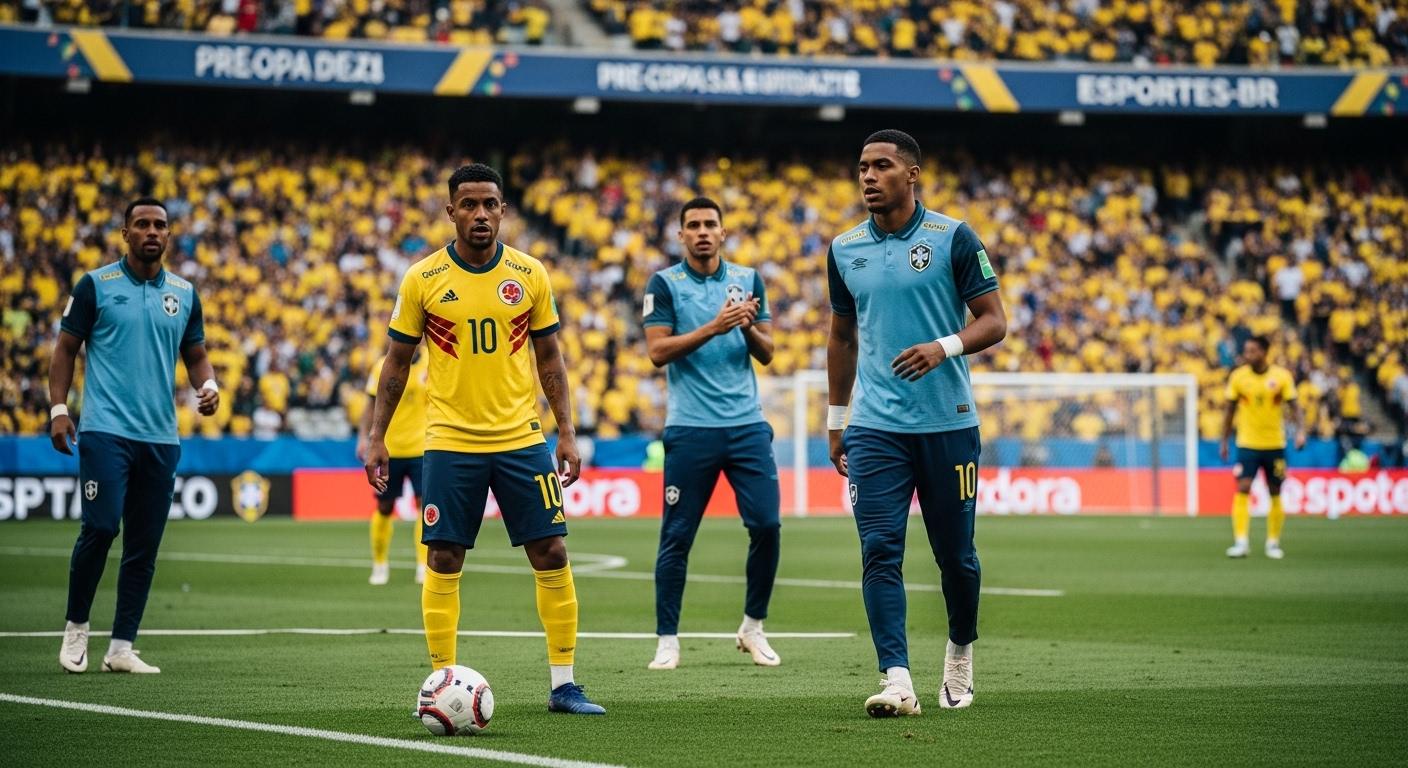
title Sports Brazil: An in-depth assessment of Brazil’s esports trajectory, connecting sponsorship growth, talent pipelines, and competition formats to.
esportes-br.comBrazil sports news and match analysis.
title Sports Brazil: Analysis: Brazil’s esports future amid shifting
Updated: March 16, 2026
title Sports Brazil is a key story right now. This briefing explains what changed, why it matters, and what to watch next.
Current state of Brazil’s esports scene
Brazil hosts one of Latin America’s most active esports communities, with leagues spanning major titles and a robust streaming audience. In practice, mobile titles draw the largest viewership, while PC-based leagues cultivate long-form fan engagement. Brands from telecoms to consumer tech increasingly cross-pollinate with gaming, leveraging a familiar Brazilian appetite for both sport and spectacle. The ecosystem is also uneven: urban hubs like São Paulo and Rio de Janeiro push development and sponsorship, yet vast regions contend with connectivity and access gaps that slow grassroots growth. Still, the Brazilian scene demonstrates a capacity to convert online engagement into organized competition, a prerequisite for sustainable revenue models.
Beyond the numbers, what matters is how players, teams, and organizers coordinate talent pipelines with event ecosystems. Local academies, university programs, and partner clubs are beginning to align around standardized training, analytics, and healthy competition cadence. This alignment can unlock greater consistency in player development and provide a clearer path from amateur circuits to professional rosters, which in turn broadens the talent pool for regional tournaments and international events.
Economic and sponsorship dynamics
The growth story hinges on sponsorship and revenue diversification. Brazilian brands see esports as a multiyear engagement rather than a short-term stunt, tying digital campaigns to broader sports narratives and cross-brand storytelling. Revenue streams expand from prize pools and sponsorships to content rights, merchandise, and off-field partnerships that mirror traditional sports. Yet Brazil’s market remains sensitive to macroeconomic cycles; currency and discretionary budgets can compress sponsorship commitments. Policymaking around digital rights, data privacy, and youth protection also shapes how agencies and teams structure sponsorship deals and content production. In this context, the most resilient programs blend local authenticity with global reach, leveraging Brazilian storytelling to reach audiences across Latin America and beyond.
Strategies and competition structure shaping teams
As in other markets, Brazil’s path to lasting esports teams rests on sustainable talent development, coaching quality, and professionalization of clubs. Universities, bootcamps, and corporate partnerships converge to create pipelines that translate hobbyists into disciplined competitors. Teams are experimenting with hybrid training regimens, analytics-driven decision-making, and structured player welfare programs to reduce burnout. The regulatory and franchising models tested elsewhere offer potential templates for Brazil, but successful implementation will require local adaptation—balancing competitive integrity, player welfare, and community access. The female and queer-inclusive segments also show potential for broader audience engagement, though require targeted development and safe spaces for growth.
Source Context
- Yahoo Sports Canada coverage on Brazil’s finals context
- The Lufkin Daily News coverage: Brazil Argentina Recopa Soccer
- Idaho Press feature: APTOPIX Brazil Argentina Recopa Soccer
Actionable Takeaways
- Invest in local talent development pipelines, including university partnerships and academy programs to create a sustainable feeder system for professional teams.
- Diversify revenue beyond prize pools through content rights, sponsorships, merchandising, and community events to stabilize budgets.
- Foster cross-sport brand partnerships that leverage Brazil’s strong football culture while preserving esports integrity and accessibility.
- Prioritize player welfare, coaching quality, and analytics to reduce burnout and improve competitive performance.
- Monitor regulatory and data-privacy developments to shape compliant, long-term growth strategies for teams and organizers.
From an editorial perspective, separate confirmed facts from early speculation and revisit assumptions as new verified information appears.
Track official statements, compare independent outlets, and focus on what is confirmed versus what remains under investigation.
For practical decisions, evaluate near-term risk, likely scenarios, and timing before reacting to fast-moving headlines.
Use source quality checks: publication reputation, named attribution, publication time, and consistency across multiple reports.
Cross-check key numbers, proper names, and dates before drawing conclusions; early reporting can shift as agencies, teams, or companies release fuller context.
When claims rely on anonymous sourcing, treat them as provisional signals and wait for corroboration from official records or multiple independent outlets.
Policy, legal, and market implications often unfold in phases; a disciplined timeline view helps avoid overreacting to one headline or social snippet.
Local audience impact should be mapped by sector, region, and household effect so readers can connect macro developments to concrete daily decisions.