
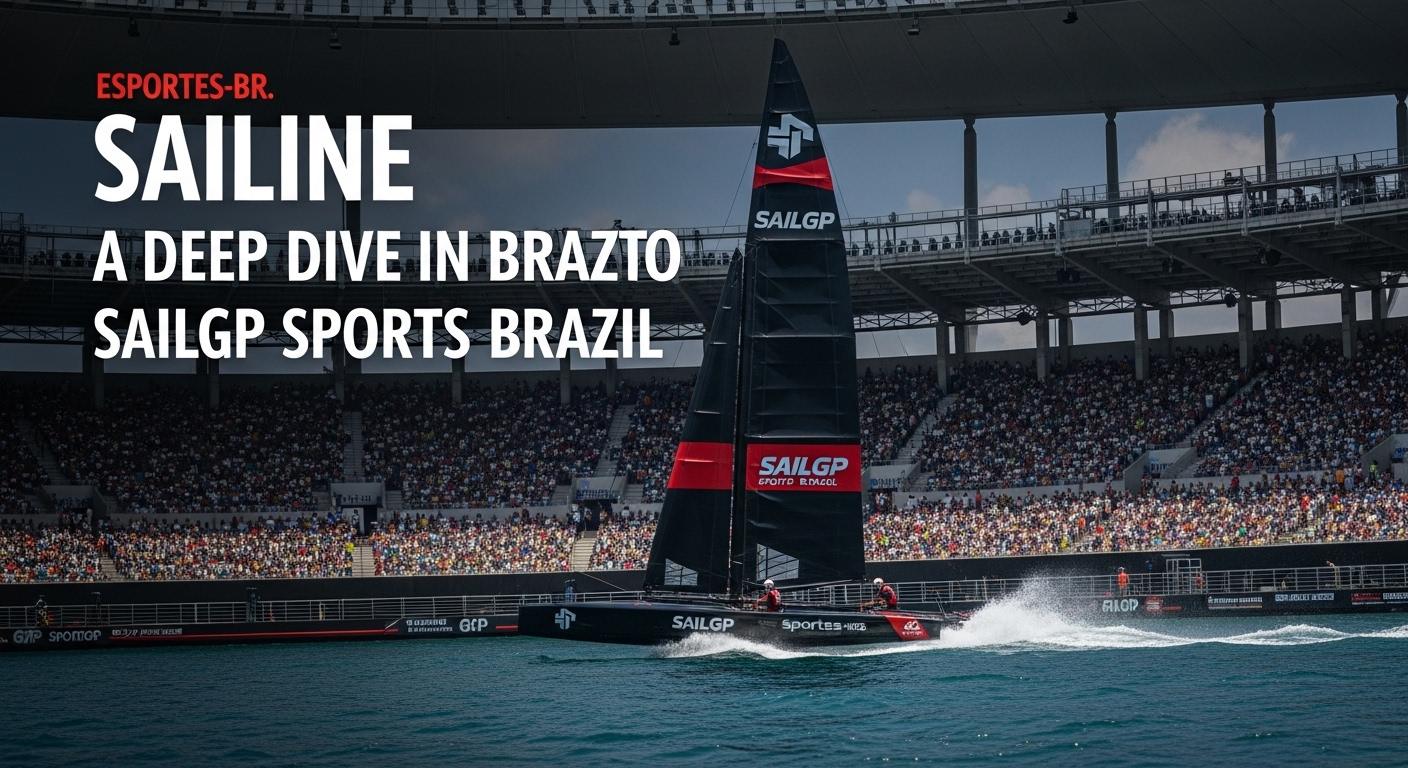
Across Brazil’s crowded sports calendar, sailgp Sports Brazil represents a calculated bet on global sailing drama translating into mass appeal. The arrangement around broadcasting and sponsorship signals more than a niche novelty; it is a blueprint for how a sport with a technical appeal can scale in a market defined by football culture, digital platforms, and regional broadcasters. This launch window, with growing interest in multisport events, offers a test case for both fans looking for new stories and brands seeking meaningful, measurable engagement. For Brazilian spectators, the question is not only who wins on the water, but how the action, commentary, and behind-the-scenes logistics create a narrative that fits into daily life. In this context, sailgp Sports Brazil is being watched as much for its media strategy as for its racing outcomes.
Broadcasting the Wave: Globo, BandSports and the Brazilian Market
The 2026 season is presented as a multi-platform push that aims to land the races on Globo’s free-to-air reach and BandSports’ more targeted audience segments. In practical terms, local language commentary, synced social clips, and short-form recaps are intended to transform floating drama into daily conversations in gyms, barber shops, and online feeds. The strategy emphasizes accessibility—live streams on connected devices, replays on popular apps, and partnerships with regional sailing clubs—so that casual fans can follow a competition whose pace rewards concentrated attention rather than constant battery-draining highlights.
That approach carries implicit bets about Brazilian appetite for niche sports. While football dominates, the country has a growing cohort of viewers who discover sailing through dramatic finishes, foiling technology, and the prestige of international teams. The Globo/BandSports alliance is not just about rights; it’s about creating a narrative ecosystem where highlights, behind-the-scenes features, and live data feeds become shareable content that can travel beyond traditional TV windows.
Competitive Ecosystem: Sailing as a Spectator Sport in Brazil
Critically, the model tests whether sailing can become a spectator sport in Brazil beyond sailing clubs and regattas. The sport’s visual appeal—sharp foils cutting the air, close tactical battles, and rapid trajectories—translates well to highlights reels and social clips. Yet the audience is still evolving. Esports fans, who are used to rapid-fire updates and multilingual commentary, may find alignment with sailing’s data-rich storytelling if broadcasters deliver clear context, explained rules, and human-interest threads about crews and teams.
Brazilian cities with coastal access or strong sailing schools may become early hubs for viewership clubs. In practice, venues, access to on-site experiences, and community events can turn broadcasts into local weekends rather than occasional one-offs. The question for stakeholders is whether the broadcast package includes community engagement—youth clinics, sailing demonstrations, and mentorship programs—that help convert watchers into participants and advocates.
Economic Levers: Sponsorship, Rights Fees, and Local Content
The financial logic behind a Brazil-focused SailGP push hinges on more than just rights fees. It rests on local content rules, Portuguese-language commentary, and the ability to tailor sponsorship packages to Brazilian brands that seek both prestige and measurable reach. For sponsors, the appeal lies in associating with a high-velocity sport that can deliver data-driven metrics—stream views, social engagements, and attendance at auxiliary events. The challenge is to demonstrate return on investment in markets where football sponsorships saturate the budget and where competing sports vie for limited marketing dollars.
If the model expands toward a dedicated Brazilian leg or a season-long circuit, rights holders will need to balance national distribution with regional tailoring. The interplay between national broadcasts and club-level activations can also create a multi-tier ecosystem: national cues from Globo, regional expansions through BandSports, and hyper-local content from sailing schools and clubs that keeps the sport breathable and credible.
Future Scenarios: Growth, Risks, and What Brazilian Fans Can Expect
Looking ahead, several outcomes seem plausible. A best-case scenario envisions sustained growth in viewership, stronger sponsorship pipelines, and a pipeline of young sailors who see a path from local clubs to international competition. A more cautious path warns of schedule friction with other major sports, potential overreliance on a single broadcaster for reach, or challenges in translating technical racing into everyday interest. The responsible path, therefore, is a hybrid: robust national exposure on Globo and BandSports combined with scalable digital offerings, clear educational content, and ongoing community outreach. In this framing, Brazilian fans gain a trustworthy bridge between the technical beauty of foiling boats and the everyday rhythms of Brazilian life.
Actionable Takeaways
- Fans: verify live race windows and streaming options across Globo platforms and BandSports apps to watch races, recaps, and expert analyses.
- Advertisers: tailor packages around performance, science of sailing, and team narratives; explore cross-promotion with youth and sailing programs.
- Broadcasters: invest in educational segments that explain race rules, scoring, boat technology, and crew dynamics to build informed, durable audiences.
- Teams and organizers: build community activations at coastal clubs and regional events to convert passive viewers into participants and ambassadors.
- Policy-makers: ensure rights clarity, regional distribution equity, and transparency in how local content supports grassroots development.
Source Context
Primary reporting or official notices are linked here for reference:


