
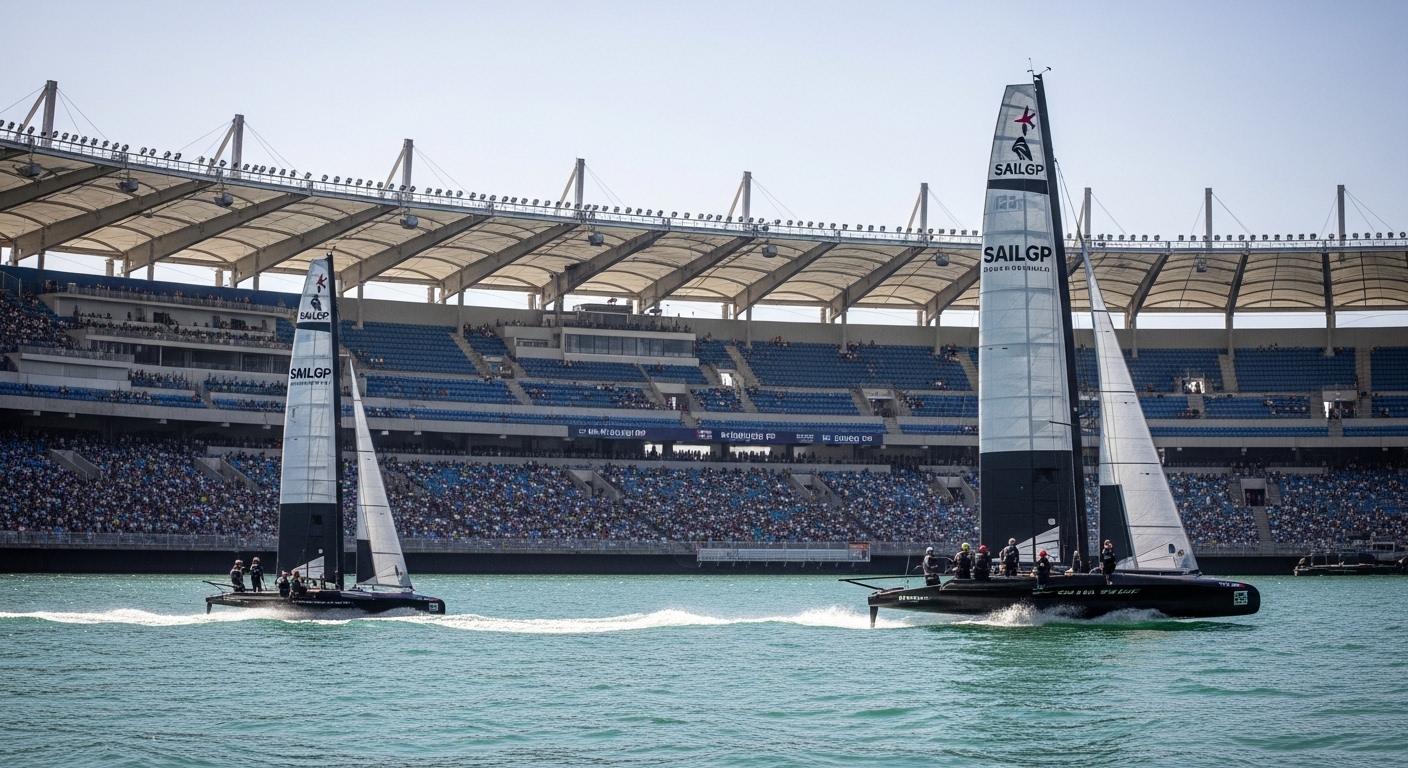
Across Brazil, sailgp Sports Brazil is emerging as more than a niche racing property; it is shaping a new seam between sailing, broadcast media, and digital sports culture. With plans to extend coverage for the 2026 season through Globo and BandSports, the property is testing how high-velocity sailing can fit into a crowded, media-savvy market.
New horizons for sailgp Sports Brazil in Brazil’s media landscape
Brazilian sports broadcasting has evolved from a handful of traditional channels toward a multi-platform ecosystem that prizes immediacy, accessibility, and cross-channel storytelling. The reported broadcast extensions to Globo and BandSports suggest a two-pronged strategy: reach broad, national audiences through established networks while preserving the nimble, event-driven cadence that fans expect from SailGP races. For sailgp Sports Brazil, this is more than a rights deal. It is an invitation to embed sailing in a wider media conversation about speed, technology, and teamwork, anchored by in-depth coverage on a familiar Brazilian footprint.
From a causal perspective, the move aligns with shifts in consumer behavior observed across global sports markets: fans increasingly demand reliable access across devices, meaningful data overlays, and social engagement around race days. A successful Brazilian rollout could extend beyond Sundays or race weekends, seeding sailing culture into schools, clubs, and tech-forward communities where esports and live sports already intersect. But it also raises questions about programming balance, regional access, and the ability of traditional broadcasters to carve out space for a sport that remains unfamiliar to many casual viewers.
Broadcast strategy, technology, and audience engagement
Initial signals point to a broadcast strategy that leverages Globo’s vast reach and BandSports’ niche credibility to widen the sport’s footprint. A practical implication is multi-angle, real-time broadcast feeds complemented by studio analysis and data-driven overlays that explain wind shifts, boat velocity, and tactical decisions—elements that translate well to fans of racing and strategy-based formats common in esports. The digital layer matters: a second screen experience, quick clips for social platforms, and accessible English and Portuguese commentary can broaden international interest while keeping local viewers engaged.
Beyond the live race, the strategy should emphasize education and storytelling. SailGP’s on-site broadcasts can be paired with feature pieces about Brazilian sailing clubs, athlete development pathways, and technology partners that bring the boats’ performance to life for non-expert audiences. The Brazilian media environment rewards content that can be consumed in short bursts and revisited with deeper context—short-form edits, highlight reels, and explainers that resonate with a generation conditioned to fast, replayable content. If executed well, sailgp Sports Brazil can become a template for how sailing, traditionally a quiet, club-based sport, can migrate into a data-rich, entertainment-forward media ecosystem without losing technical credibility.
Economic and grassroots impact on sailing and sports culture
The Brazilian market presents both appetite and risk. On one hand, expanded broadcast rights can unlock sponsorship pools, unlock new revenue streams for race organizers, and attract technology partners eager to test AR/VR and data visualization in a live-context. On the grassroots side, visibility matters: more eyes on the sport can translate into increased participation in sailing clubs, more private sponsorship for youth programs, and a pipeline of athletes who view sailing as both a competitive pursuit and a potential career path in media and technology. The potential synergy with Brazil’s vibrant esports community—where fans are used to watching fast-paced competition with community-built narratives—could reinforce cross-promotional opportunities, from college-level sailing to local gaming events that double as sailing showcases.
However, success hinges on sustainable engagement and authenticity. The risk is over-commercialization or a heavy emphasis on spectacle at the expense of technical education. A balanced approach—where broadcast intelligence complements hands-on sailing experiences—could ensure that sailgp Sports Brazil helps grow participation while delivering compelling viewing for a broad audience. In this framing, sailing becomes not just a sport to watch, but a platform for science, engineering, and teamwork education that resonates with Brazil’s tech-forward, youth-oriented culture.
Actionable Takeaways
- Broadcasters should pair live race coverage with in-depth explanations, tactical breakdowns, and rider-to-team interviews to translate speed into story.
- Platforms must optimize second-screen experiences, offering accessible Portuguese and English commentary and data-rich overlays that illuminate wind, tide, and boat performance.
- Teams and clubs should coordinate closely with broadcasters to host viewing events, grassroots clinics, and youth outreach programs aligned with race dates.
- Sponsors should align with tech, sustainability, and youth development narratives, measuring success through engagement metrics, regional participation, and brand affinity.
- Policy and rights holders should ensure equitable regional access, maintain fair competition rules, and protect fans from piracy while expanding legitimate content reach.


